
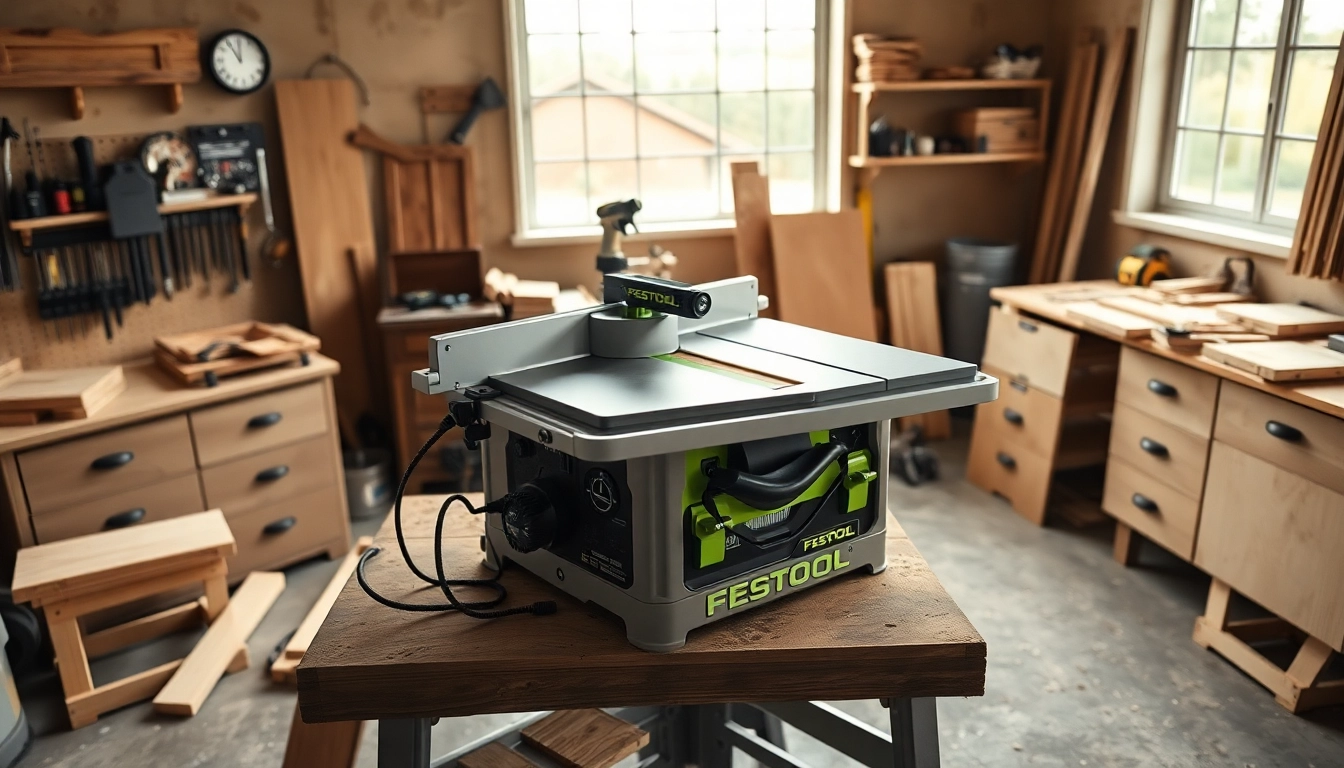
Understanding the Festool Table Saw: A Comprehensive Guide
The Festool table saw stands as a premier tool within woodworking circles, renowned for its precision, efficiency, and versatile functionality. These power tools are designed to cater to both professional woodworkers and enthusiasts alike, ensuring optimal performance without compromising on safety or ease of use. In this guide, we delve deep into what sets the Festool table saw apart from ordinary table saws, explore its essential features, and guide you in choosing the perfect model to suit your needs.
What Makes the Festool Table Saw Unique?
Festool has long been synonymous with quality and innovation in the power tool industry, and their table saws are no exception. One of the defining characteristics of the Festool table saw is its user-centric design, which minimizes vibration and enhances stability. The saws are engineered for dust extraction capabilities, connecting seamlessly to Festool’s dust extraction systems, which helps maintain a cleaner workspace and promotes healthier working conditions.
Another standout feature is the modularity of the Festool table saw design. Many models come equipped with portable bases, allowing woodworkers to easily transport their setup to different job sites. This modular approach not only aids in mobility but also maximizes workspace efficiency, making them ideal for professionals who need to save space without sacrificing functionality.
Essential Features of the Festool Table Saw
When selecting a Festool table saw, several key features should dominate your considerations:
- Precision Cutting System: With finely engineered components, Festool table saws deliver extraordinarily accurate cuts at various angles, ensuring that your woodworking projects come out exactly as envisioned.
- Integrated Dust Control: Each model typically features built-in ports for dust extraction, which significantly reduces cleanup time and improves air quality in your workspace.
- Superior Build Quality: Crafted using durable materials, Festool table saws are designed to withstand heavy use, providing longevity and reliability in performance.
- Adjustable Settings: Users can enjoy fine-tuning their cuts with easy-to-adjust height and angle settings, enabling a wide range of applications from bevel cuts to dado cuts.
- Safety Features: The incorporation of guard systems and electronic brakes reflects Festool’s commitment to user safety, making their saws not only powerful but also safe to operate.
How to Choose the Right Festool Table Saw Model?
Choosing the right Festool table saw involves considering several factors:
- Project Requirements: Assess the types of wood and methods you will be working with. A model with more versatility and adjustable settings might be ideal for varied tasks.
- Portability Needs: If you plan to move your saw frequently, prioritize models that come with integrated transport solutions and lightweight designs.
- Budget Constraints: Festool table saws range in price, so determine a budget that aligns with your woodworking goals while considering the long-term investment in quality.
- Space Availability: Take stock of your workshop space. Some Festool models are more compact, offering a perfect solution for limited work areas without sacrificing power.
Setting Up Your Festool Table Saw for Success
Creating an Efficient Workspace for the Festool Table Saw
An efficient workspace is vital for optimal performance when using the Festool table saw. Start by ensuring you have a dedicated area that provides ample room for maneuvering both the saw and your workpieces. Consider the following:
- Lighting: Ensure your workspace is well-lit to see cuts clearly and increase precision.
- Stability: Place the saw on a sturdy, flat surface to minimize vibrations during operation.
- Accessibility: Position your storage solutions within easy reach to keep all necessary tools and materials at hand.
Essential Accessories for Optimal Festool Table Saw Performance
To maximize the functionality of your Festool table saw, consider investing in essential accessories:
- Guide Rails: These allow for incredibly straight cuts and can be adjusted to accommodate various widths.
- Dust Extraction Systems: Pairing your table saw with a Festool dust extractor is crucial for maintaining cleanliness and preventing dust-related issues.
- Replacement Blades: Investing in high-quality saw blades will enhance cutting performance, reducing splintering and ensuring cleaner cuts.
- Clamps and Stops: These accessories help secure your materials, providing stability and precision during cuts.
Safety Measures When Using the Festool Table Saw
Safety is paramount when operating any power tool, including the Festool table saw. Here are a few safety measures you should always observe:
- Wear eye protection to guard against sawdust and flying debris.
- Utilize dust masks to avoid inhaling wood particles.
- Ensure that children and pets are kept at a safe distance from the workspace.
- Regularly inspect your saw for wear and tear, replacing safety guards as needed.
- Keep your hands away from the cutting area and utilize push sticks or paddles for better control of small pieces.
Mastering Techniques with the Festool Table Saw
Beginner Tips for Using the Festool Table Saw Effectively
If you are new to using the Festool table saw, here are some beginner-friendly tips to enhance your experience:
- Start with practice cuts on scrap wood to familiarize yourself with the saw’s functionality and settings.
- Read the user manual thoroughly to understand your specific model and its capabilities.
- Take your time and avoid rushing; precision often requires patience.
Advanced Techniques for Precision Cutting with Festool Table Saw
As you gain confidence and experience with the Festool table saw, consider incorporating advanced techniques:
- Dado Cuts: Master dado cuts for creating grooved or reinforced joints by using stacked dado blades.
- Bevel Cuts: Utilize the saw’s angle settings to create perfect angled cuts for joints and frames.
- Compound Cuts: Combine both miter and bevel cuts to achieve intricate designs in your woodworking projects.
Common Mistakes to Avoid When Operating the Festool Table Saw
To ensure your projects are a success, being aware of common mistakes can tremendously help in avoiding them:
- Failing to secure the workpiece adequately can lead to inaccurate cuts and potential injuries.
- Using dull blades can increase friction, resulting in burns on your wood and a dangerous setup.
- Neglecting to adjust settings according to the material can lead to inefficient cuts and wasted materials.
Maintaining Your Festool Table Saw for Longevity
Regular Maintenance Tips for the Festool Table Saw
Proper maintenance is key to ensuring the longevity and performance of your Festool table saw. Follow these tips:
- Clean the saw after every use, focusing on removing dust and debris from crucial components.
- Lubricate moving parts according to the manufacturer’s recommendations, which can improve performance and prevent wear.
- Inspect the power cord and plug for signs of damage, replacing them immediately to maintain safety.
Troubleshooting Common Issues with the Festool Table Saw
When using your Festool table saw, you may encounter some common issues. Understanding how to troubleshoot can save you time:
- Inconsistent Cuts: Check if the blade is dull and replace it if necessary. Also, ensure that the workpiece is properly secured.
- Excessive Vibration: This could indicate loose components; ensure all screws and panels are tightened correctly.
- Power Issues: Verify that your power source is functioning and that the saw is plugged in correctly. If persistent, consult a professional technician.
When to Seek Professional Repair for Your Festool Table Saw
While many issues can be resolved with simple troubleshooting, some situations warrant professional assistance. If you experience recurring electrical issues, significant damages to the saw’s structure, or safety mechanism failures, it is prudent to consult a Festool-certified professional. Doing so can not only extend the life of your tool but also ensure your safety as you work.
Enhancing Your Skills with Festool Table Saw Projects
Beginner-Friendly Projects Using the Festool Table Saw
If you’re looking to practice your skills with the Festool table saw, consider these beginner-friendly projects:
- Simple Bookends: A straightforward project that allows for precise cuts while adding a practical item to your home.
- Wooden Coasters: Quick and easy to create, coasters provide a great opportunity to practice finishing techniques.
- Picture Frames: Using your Festool table saw to make custom frames offers both creativity and built-in practice of miter cuts.
Advanced Projects That Showcase the Festool Table Saw’s Capabilities
As you become more proficient, you can tackle advanced projects that fully utilize the capabilities of your Festool table saw:
- Custom Furniture: Build unique furniture pieces, such as coffee tables or shelves, to showcase your craftsmanship.
- Cabinetmaking: Utilizing your saw in conjunction with other tools for full cabinetry projects allows for immense creativity and precision.
- Wooden Toys: Create intricate designs for wooden toys, enhancing both design and cutting skills.
How to Share Your Festool Table Saw Creations with the Community
Engaging with the woodworking community can provide inspiration and feedback. Consider sharing your projects on social media platforms dedicated to woodworking or participating in forums where you can discuss techniques, challenges, and solutions. Documenting your process on platforms like Instagram or YouTube not only showcases your skills but can also foster connections with other woodworking enthusiasts.
With dedication to learning and utilizing your Mister Worker, the Festool table saw can become an integral part of your woodworking journey, evolving your skills and enabling you to create fantastic projects.