Understanding Kitchen Remodelling in Manchester
What is Kitchen Remodelling?
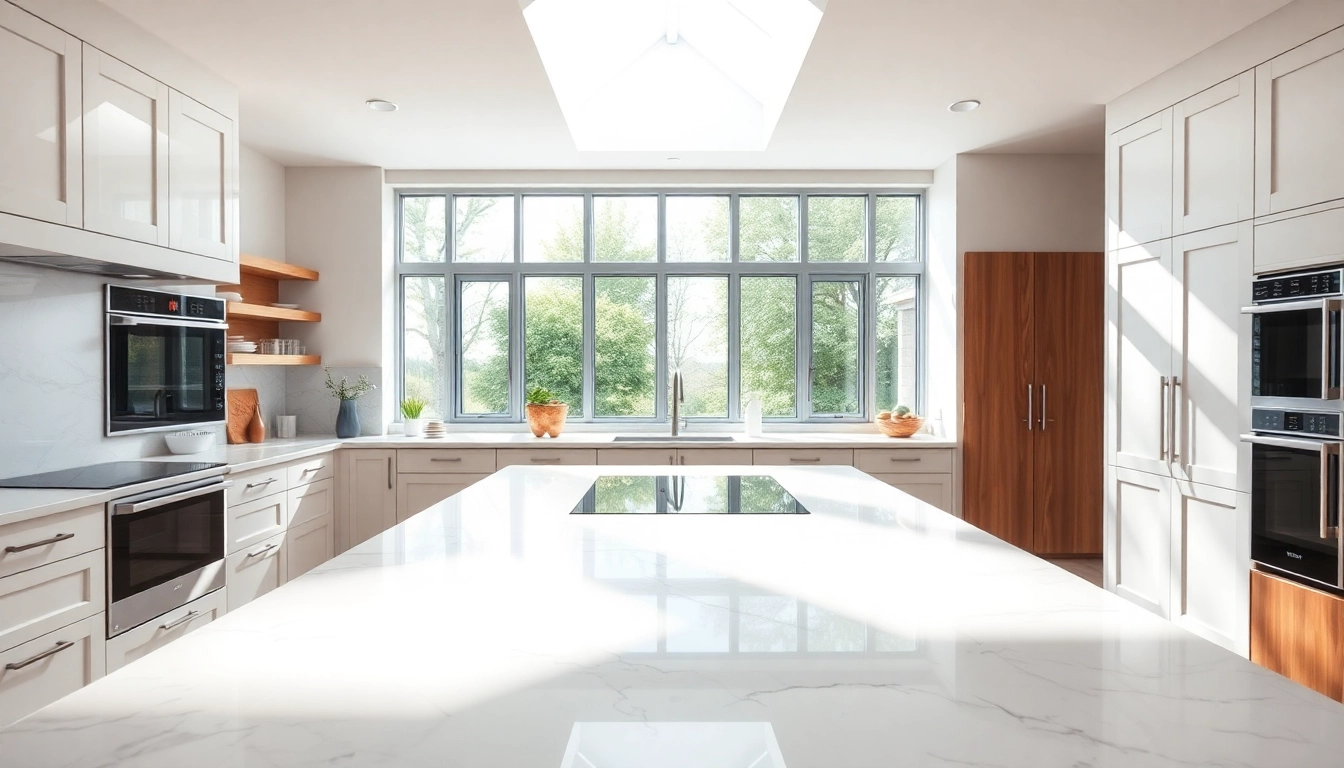
Kitchen remodelling involves the process of redesigning and upgrading your kitchen space to enhance its functionality, aesthetics, and overall value. It can range from minor updates, such as changing hardware and fixtures, to major renovations that include altering the layout, installing new cabinetry, and upgrading appliances. In a vibrant city like Manchester, where the kitchen often serves as the heart of the home, remodelling can significantly transform not only the space but also your everyday living experience.
Benefits of Kitchen Remodelling
Engaging in kitchen remodelling manchester offers numerous advantages, including:
- Increased Property Value: A modernised kitchen can substantially boost the resale value of your home.
- Improved Functionality: Tailoring your kitchen layout to better suit your needs can enhance efficiency and cooking enjoyment.
- Aesthetic Appeal: A well-designed kitchen can reflect personal style and create an inviting environment.
- Energy Efficiency: Upgrading to energy-efficient appliances and fixtures can reduce utility bills and environmental impact.
Common Styles in Manchester
Manchester’s rich heritage and modern sensibilities allow for a variety of kitchen styles. Popular choices include:
- Contemporary: Minimalist designs emphasizing clean lines, neutral palettes, and functional space.
- Rustic: Warm, natural materials like wood and stone create a cozy, homely atmosphere.
- Industrial: Features such as exposed brick, metal elements, and open shelving define this style.
- Traditional: Classic cabinetry with intricate details often paired with modern conveniences.
Planning Your Kitchen Remodelling Project
Setting a Realistic Budget
Planning a kitchen remodelling project necessitates a clear budget. Begin by outlining all potential costs, including materials, labor, and unexpected expenses. Consultation with professionals can provide a more accurate estimation. It’s essential to be flexible with the budget, allowing for adjustments in case of unforeseen challenges.
Choosing the Right Layout
The kitchen layout is pivotal in determining how efficiently and comfortably the space functions. Common layouts include:
- Galley: Efficient for smaller spaces, featuring parallel countertops.
- L-Shaped: Good for open-plan areas, allowing for easy traffic flow.
- U-Shaped: Provides ample workspace, ideal for larger kitchens.
- Island: Incorporates a central island for additional workspace or seating.
Consider your cooking habits and family dynamics when choosing a layout to create a space that works for you.
Consulting Design Professionals
Engaging with design professionals can provide insights and expertise that greatly enhance your remodelling process. Interior designers and kitchen planners can help maximise space, suggest innovative designs, and anticipate future needs. Their experience also assists in sourcing quality materials and contractors.
Trends in Kitchen Remodelling Manchester
Popular Color Schemes
Colors play a crucial role in setting the mood of a kitchen. Current trends include:
- Monochrome: Black, white, and gray create a sleek and sophisticated appearance.
- Soft Pastels: Gentle hues like mint green and blush pink add a subtle touch of warmth.
- Bold Accents: Bright colors served as accents on cabinetry or walls can energise the space without overwhelming it.
Innovative Technologies to Include
Modern kitchens often incorporate cutting-edge technologies that enhance convenience and efficiency. Some examples include:
- Smart Appliances: Wi-Fi-enabled fridges, ovens, and dishwashers offer convenience and energy savings.
- Automated Lighting: Dimmable and programmable lighting systems can create the perfect ambiance for every occasion.
- Touchless Faucets: Improve hygiene and ease of use, limiting contact with surfaces.
Sustainable Materials and Practices
With rising environmental awareness, sustainable practices are becoming integral to kitchen remodelling. Select materials such as reclaimed wood, recycled glass, and bamboo for countertops and cabinets. Opting for energy-efficient appliances also contributes to eco-friendly outcomes, lowering your kitchen’s carbon footprint.
Implementing Your Kitchen Remodelling
Key Steps in the Renovation Process
Executing a kitchen remodelling project requires a structured approach. Important steps include:
- Design Finalisation: Finalise your design and materials.
- Permits and Regulations: Acquire necessary permits to comply with local regulations.
- Demolition: Carefully dismantle existing structures while protecting utilities.
- Construction: Begin structural work, installing cabinets, countertops, and appliances.
- Finishing Touches: Add accessories, paint, and decorations.
Best Practices for Hiring Contractors
Choosing the right contractors can make or break your remodelling experience. To ensure successful outcomes:
- Research: Check credentials, reviews, and past work examples.
- Interview: Communicate specific needs and expectations during the interview process.
- Get Quotes: Acquire multiple estimates and clearly understand what each covers.
- Contracts: Ensure a detailed, legally binding contract is established before commencement.
Overcoming Common Challenges
Remodelling can be fraught with challenges, such as unexpected costs, delays, and design conflicts. To mitigate issues:
- Plan for Contingencies: Allocate 10-20% of your budget for unforeseen expenses.
- Maintain Open Communication: Regular check-ins with contractors can help address issues promptly.
- Stay Flexible: Adapt to changes and remain open to modifications based on reality and practicality.
Post-Remodelling Tips and Maintenance
Ensuring Longevity of Features
Once your kitchen is complete, maintaining its features is vital for longevity. Regular cleaning and maintenance of appliances, cabinetry, and surfaces can prevent wear and tear. Be sure to follow specific care instructions for different materials to preserve their integrity and appearance over time.
Maximizing Functionality After Remodelling
To ensure your kitchen remains functional, consider incorporating additional storage solutions, such as pull-out pantry shelves, lazy Susans, or wall-mounted racks. These can help keep spaces organised and functional, making everyday tasks more manageable.
Ideas for Personalizing Your Space
Adding personal touches can elevate your kitchen, enhancing connection and comfort. Consider custom artwork, decorative dishware, or even family photos displayed in creative ways. These personal elements can transform your kitchen into a unique reflection of your style and lifestyle.
Frequently Asked Questions (FAQs)
What is the typical cost of kitchen remodelling?
The cost can vary widely based on size and scope. On average, budget between £10,000 to £30,000 for a full remodelling project in Manchester.
How long does a kitchen remodelling project take?
Depending on the complexity, a kitchen remodel can take anywhere from several weeks to a few months to complete.
Can I remodel my kitchen on a budget?
Yes, setting a clear budget and focusing on cosmetic changes and smart upgrades can significantly reduce costs.
What are the most popular kitchen styles?
Popular styles in Manchester include contemporary, rustic, industrial, and tradiitional, each providing unique aesthetics.
Do I need a permit for kitchen remodelling?
Permits may be required, especially for structural changes. Check local regulations to ensure compliance.