The Essentials of Colonial Home Construction
Colonial home construction is a captivating blend of history, tradition, and modern functionality. With a legacy that reflects the rich architectural styles from the early American period, colonial homes often stand as a testament to beautiful craftsmanship and durable materials. When considering a project, understanding the nuances of colonial architecture is crucial, not only to honor its roots but also to integrate modern necessities seamlessly. Engaging in colonial home construction can be a fulfilling journey that offers timeless elegance and enduring value.
Understanding Colonial Architecture
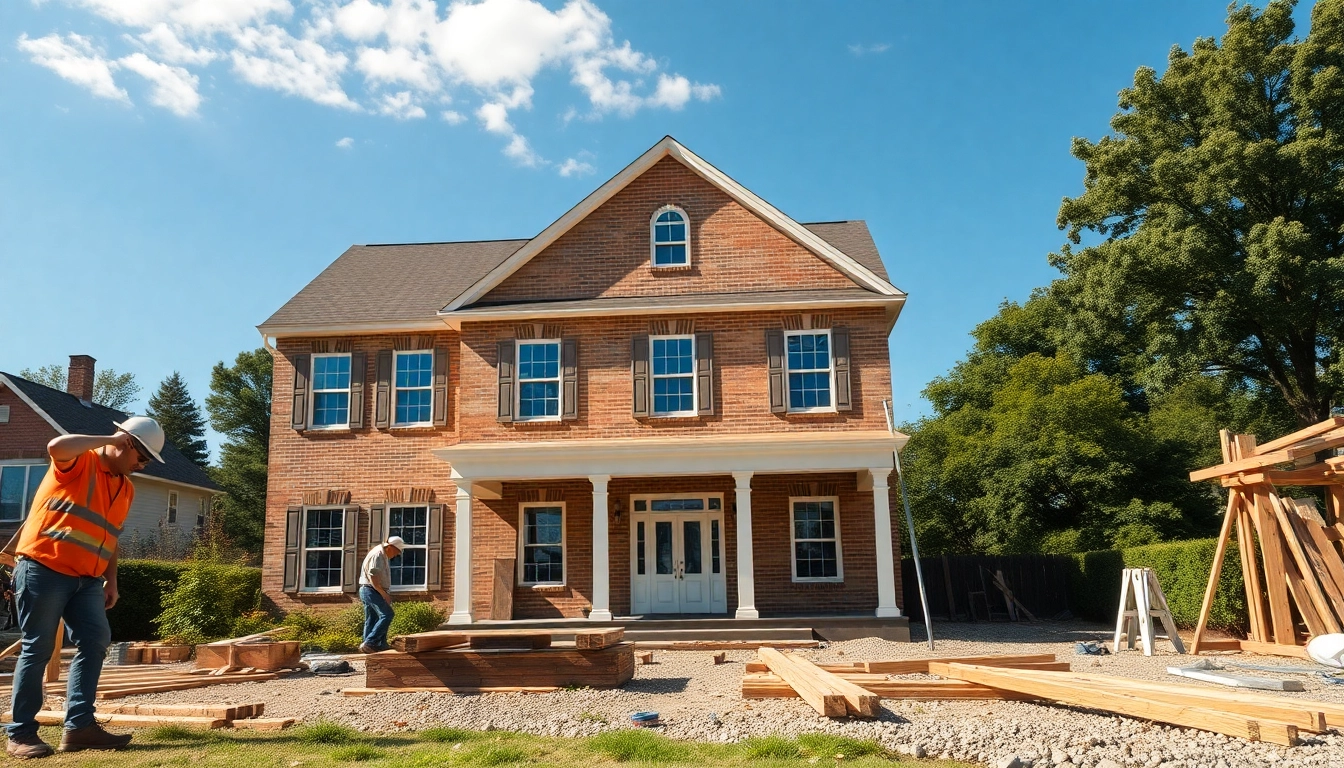
Colonial architecture is distinguished by its symmetry, refined detailing, and traditional proportions. Originating during the colonial period in North America, it is primarily categorized into several styles, including Federal, Georgian, and Dutch Colonial, each bearing unique characteristics. Fundamental aspects of colonial architecture involve the use of square or rectangular forms, steep roofs, and centrally located front doors, often embellished with decorative pediments. Understanding these variants allows homeowners to choose the style that resonates most with their vision while also fitting into their local environment.
Core Materials for Construction
The materials used in colonial home construction play a significant role in achieving the classic look and durability that these homes are known for. Traditionally, colonial homes were constructed from local resources such as wood and brick. Today, while maintaining authenticity, builders often modernize with advanced materials that enhance energy efficiency and longevity, like insulated wood frames and composite materials. Key elements include:
- Wood: Predominantly oak, pine, and cedar, wood gives warmth and a rustic charm.
- Brick: A staple in colonial styles, brick offers unparalleled durability and can contribute to the home’s insulation.
- Stone: Frequently used as a foundation material, stone adds a dramatic yet sturdy element to colonial homes.
Incorporating sustainable materials is also becoming a priority for modern builders, aligning traditional aesthetics with eco-friendly practices.
Key Design Features
Every colonial home is characterized by its defining design features, which include:
- Symmetrical Facade: Colonial homes typically boast equal dimensions and harmonious spacing of windows and doors.
- Fireplace: Central fireplaces served not only as a source of heat but also as a focal point in living areas.
- Colonial Trim: These homes often feature intricate moldings and trims, especially around doors and windows, emphasizing their rich history.
- Gabled Roof Lines: Steeply pitched roofs add an iconic silhouette that is instantly recognizable.
By understanding these design tenets, builders can foster authenticity while encouraging personal expression through variations and updates.
Planning Your Colonial Home Project
Effective planning is essential for a successful colonial home construction project. This phase encompasses considerations that affect both cost and the overall vision of the home.
Setting a Realistic Budget
Budgeting is often one of the more challenging aspects of any construction project, especially in colonial home construction, where quality materials and craftsmanship are non-negotiable. Begin by defining your primary objectives and preferences, then research average costs associated with colonial home projects in your area. Remember to factor in costs for:
- Materials (e.g., wood, brick, and stone)
- Labor and contractor fees
- Permits and inspections
- Interior finishes and landscaping
Setting aside a contingency fund of 10-20% can help mitigate unforeseen expenses, ensuring your project stays within financial limits while accommodating any necessary adjustments.
Choosing the Right Location
The location of your colonial home can significantly impact both its aesthetic value and functionality. When selecting a location, consider proximity to amenities, schools, and environmental factors such as soil quality and climate. An ideal site could include:
- Level land for foundation stability
- Scenic views to complement the home’s historic design
- Noise and privacy considerations to enhance comfort
Land availability and layout may also guide the orientation of the home, maximizing natural light and outdoor views while fitting within the neighborhood character.
Timing and Scheduling Considerations
Effective scheduling is crucial for preventing delays during construction. The target timeline for colonial home construction can vary significantly based on design complexity and weather conditions. Planning should include seasonal considerations, as extreme weather can impact construction schedules. Key steps include:
- Establishing a detailed timeline for each phase of construction
- Account for lead times in acquiring materials
- Regularly review progress to adjust timelines as necessary
Maintaining open communication with your contractor can ensure that all parties are aligned in expectations and potential challenges.
Construction Techniques for Colonial Homes
When it comes to implementing construction techniques that reinforce the integrity of colonial homes, attention to detail is paramount. When executed properly, these methods ensure longevity and authenticity.
Foundation and Framing Tips
The foundation serves as the backbone of any home. Here, colonial designs often employ a full or crawl space foundation, utilizing either concrete or masonry products. Tips include:
- Ensure proper drainage around the foundation to prevent water buildup.
- Use treated wood or metal for framing to prevent rot and insect damage.
- Consider local building codes to meet stability requirements in your region.
Framing should ideally be completed in a manner that adheres closely to the aesthetic and historical authenticity of the home, prioritizing high-quality craftsmanship.
Roofing Options and Techniques
Choosing the right roofing material is essential to both functionality and style. Traditionally, colonial homes utilized wood shingles, slate tiles, or metal roofing, each offering distinct advantages:
- Wood Shingles: Provides natural aesthetics but requires regular maintenance.
- Slate Tiles: Durable and water-resistant, though heavy and can be cost-prohibitive.
- Metal Roofing: Energy-efficient and available in various styles, aligning with modern practices.
Regardless of your choice, proper installation techniques, including underlayment and flashing, will safeguard against weather-related issues and enhance longevity.
Interior Layout and Design
The interior of colonial homes often features distinct rooms with clear purposes, including formal dining and living areas, which reflect historical social norms. Key considerations include:
- Preserving architectural details, such as moldings and fireplaces, that signify colonial grace.
- Incorporating modern efficiencies like open floor plans or integrated technology while respecting traditional styles.
- Choosing paint and decor that reflects the era yet remains functional for contemporary living.
In developing a cohesive interior that balances functionality and history, the end result can be both charming and practical for modern life.
Common Challenges in Colonial Home Construction
Every construction project comes with its set of challenges. Recognizing potential pitfalls is crucial to implementing effective solutions.
Dealing with Historical Regulations
Many colonial homes are constructed in areas governed by historical preservation regulations. These rules may restrict design modifications or impose specific material requirements. Successful navigation includes:
- Researching local regulations before beginning design.
- Consulting with preservationists or municipal planners during the planning phase.
- Adapting designs that maintain historical integrity while accommodating modern needs.
Thorough understanding and compliance can prevent costly redesigns and legal complications down the road.
Mitigating Unexpected Costs
Cost overruns are common in construction projects, particularly when unforeseen issues arise. Strategies to minimize these surprises include:
- Thoroughly inspect the building site prior to construction to identify potential complications.
- Secure detailed bids from contractors to avoid hidden fees.
- Implement a robust contingency plan as a financial cushion for unexpected expenses.
Being proactive in these areas will preserve both timelines and budgets.
Navigating Weather-Related Delays
Weather can significantly impact your construction timeline. From rain delays to extreme heat, the elements can cause setbacks. Consider these strategies:
- Planning construction during milder seasons to minimize weather disruptions.
- Utilizing weatherproof materials and protective measures on-site.
- Establishing clear communication channels to respond promptly to weather forecasts.
With foresight and flexibility, most weather-related challenges can be managed effectively.
FAQs About Colonial Home Construction
What makes colonial home construction unique?
Colonial homes are renowned for their symmetry, traditional features, and use of quality materials, reflecting a historical architectural style.
How long does it take to build a colonial home?
The timeline can vary but typically ranges from 6 months to over a year, depending on the complexity and size of the project.
What is the typical cost for constructing a colonial home?
Costs can vary widely, from $150 to $300 per square foot, influenced by location, materials, and customization options.
Are there eco-friendly options in colonial home construction?
Yes, sustainable materials and modern energy-efficient systems can be integrated while preserving traditional aesthetics.
Can I modify colonial designs for modern living?
Absolutely, many homeowners combine colonial features with modern layouts, ensuring comfort while honoring classic designs.