
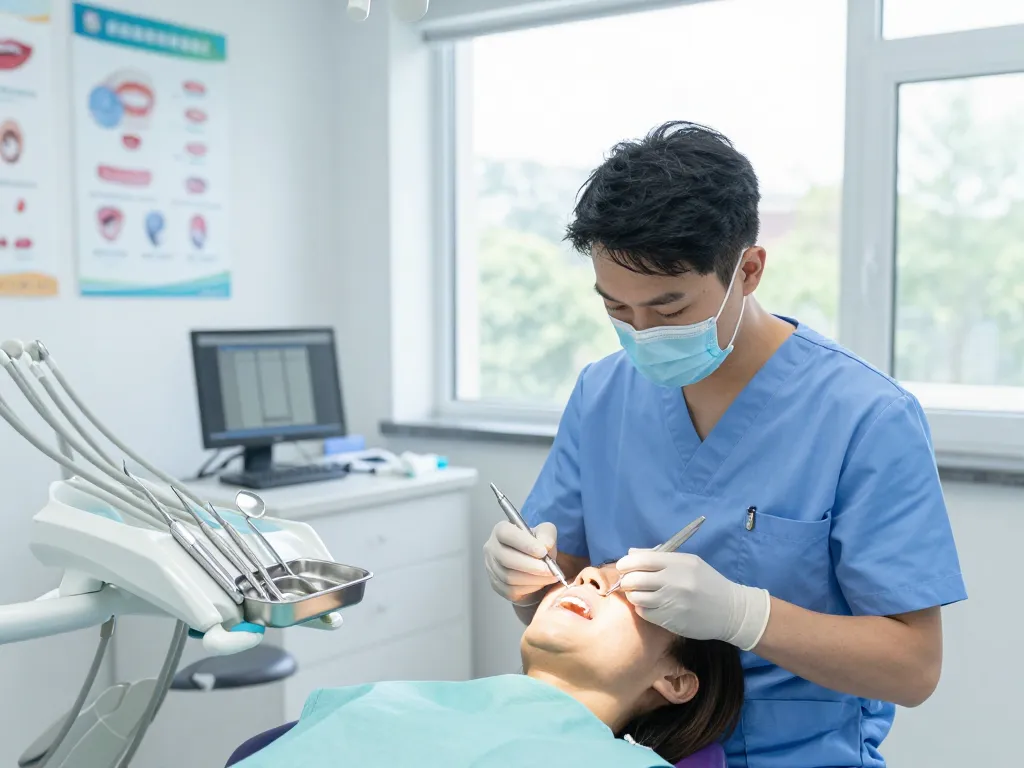
Understanding the Importance of Dental Tools
In the ever-evolving field of dentistry, the significance of high-quality dental tools cannot be overstated. Properly designed instruments are essential for delivering effective patient care and ensuring successful outcomes in various dental procedures. For dental professionals, understanding and choosing the right tools is paramount not only for their practice but also for maintaining patient trust and satisfaction.
When exploring options, Dental tools play a crucial role by providing insights into the various instruments available in today’s market. With advancements in technology, the range of tools continues to expand, catering to different specializations within the field.
What Are Dental Tools and Their Roles?
Dental tools are specialized instruments used by dentists and dental hygienists to diagnose, treat, and maintain oral health. These instruments range from simple hand-held devices, like mirrors and explorers, to sophisticated technological tools such as laser systems and digital imaging devices. Each tool serves a unique purpose, assisting dental professionals in carrying out their responsibilities effectively.
Common Misconceptions About Dental Instruments
Despite the crucial role these instruments play, several misconceptions often surround dental tools. For instance, many believe that all dental tools are universally applicable, whereas in reality, different specialties require specific instruments. Another common myth is that the price of dental tools directly correlates with their quality; however, this is not always the case, as efficient tools can be found at various price points.
The Impact of Quality Dental Tools on Patient Care
The quality of dental tools significantly influences the efficiency of procedures and the comfort of patients. High-quality instruments can enhance precision during treatments, leading to better outcomes and reduced risk of complications. Furthermore, using well-maintained tools can minimize discomfort during dental procedures, which is crucial for patient satisfaction and repeat visits.
Categories of Essential Dental Tools
Basic Dental Tools Every Practice Should Have
Every dental practice requires a set of basic instruments to provide fundamental care:
- Dental Mirror: This allows dentists to view areas of the mouth that are not directly visible.
- Explorer: A pointed instrument used to detect cavities and other dental anomalies.
- Scaler: Essential for removing plaque and tartar buildup from teeth.
- Forceps: Used to extract teeth or manipulate soft tissue during procedures.
- Dental Drill: An indispensable tool for performing cavity preparations and other restorative work.
Advanced Dental Tools for Specialized Procedures
Beyond the basics, there are advanced tools designed for specialized dental procedures:
- Laser Systems: These tools have become increasingly popular for procedures such as gum reshaping and cavity removal, offering precision while minimizing pain.
- Digital Implants: Advanced imaging tools aid in the accurate placement of dental implants, ensuring better outcomes.
- 3D Printers: Used for creating customized dental prosthetics and orthodontic devices, streamlining the production process.
Innovative Technologies Shaping Dental Tools in 2026
The dental industry is witnessing rapid technological advancements that are set to reshape the landscape of dental tools by 2026. Innovations such as augmented reality (AR) tools for enhanced visualization during complex procedures, and artificial intelligence (AI) systems for accurate diagnostics, are on the horizon. These technologies will not only improve the accuracy of treatments but will also enhance the overall patient experience.
Choosing the Right Dental Tools for Your Practice
Factors to Consider When Selecting Dental Instruments
When selecting dental tools, several factors must be taken into account to ensure they meet the needs of the practice:
- Specialization: Different dental specialties require specific tools; thus, knowing the focus of your practice is crucial.
- Material Quality: Tools made from durable materials such as stainless steel or titanium often offer better longevity and performance.
- Ergonomics: Comfortable, well-designed handles can reduce fatigue during procedures and improve precision.
How to Evaluate the Quality of Dental Tools
Evaluating the quality of dental instruments involves examining factors such as:
- Manufacturing Standards: Reputable brands adhere to strict manufacturing guidelines and quality control processes.
- User Feedback: Reviews and testimonials from fellow dental professionals can provide insights into the reliability and effectiveness of tools.
- Warranty and Support: Quality instruments often come with warranties or guarantees, indicating the manufacturer’s confidence in their products.
Cost vs. Quality: Finding the Best Value in Dental Instruments
Budget constraints are a reality for many dental practices, and balancing cost with quality is vital. While it may be tempting to opt for cheaper instruments, investing in high-quality dental tools can lead to long-term savings through reduced maintenance costs and improved patient outcomes. Understanding the specific needs of your practice will help you find the best value without compromising on quality.
Maintaining and Caring for Your Dental Tools
Best Practices for Dental Tool Sterilization
Proper sterilization is critical in maintaining the safety and efficacy of dental tools. Best practices include:
- Use of Autoclaves: High-pressure steam sterilization is the gold standard for dental instruments.
- Regular Monitoring: Routine checks of sterilization processes ensure compliance with health standards.
- Disposable Instruments: Utilizing single-use tools for certain procedures can minimize the risk of cross-contamination.
Routine Maintenance to Extend the Life of Dental Instruments
Regular maintenance is essential to extend the lifespan of dental tools. This includes:
- Cleaning: Proper cleaning after each use prevents buildup of debris and ensures instruments function correctly.
- Inspection: Regularly checking tools for wear and tear can identify the need for repairs or replacements.
- Calibration: For advanced tools, routine calibration ensures accuracy in procedures.
Common Pitfalls in Dental Tool Care to Avoid
Dental professionals should be aware of common mistakes that can compromise the integrity of their instruments:
- Neglecting Maintenance: Failing to clean and maintain tools can lead to diminished performance and increased risk of infection.
- Improper Sterilization: Inadequate sterilization techniques can pose health risks to patients and staff.
- Relying on Low-Quality Instruments: Choosing cheaper options can often lead to long-term costs due to higher maintenance or replacement rates.
The Future of Dental Tools and Equipment
Emerging Trends in Dental Technologies for 2026
As the dental industry progresses, new trends are likely to shape the tools and technologies available:
- Tele-dentistry: Remote consultations are becoming more common, necessitating tools that aid in virtual diagnosis.
- Smart Dental Tools: Instruments embedded with IoT technology will track usage data and provide analytics for better patient management.
- Eco-Friendly Options: As sustainability becomes a priority, manufacturers are exploring biodegradable materials and energy-efficient technologies in dental tools.
How Sustainability is Influencing Dental Tool Manufacturing
With the growing emphasis on sustainability, many manufacturers are shifting towards eco-friendly practices in dental tool production. This includes:
- Recyclable Materials: Using materials that can be recycled reduces waste and environmental impact.
- Sustainable Manufacturing Processes: Companies are increasingly adopting energy-efficient techniques to minimize carbon footprints.
Expert Predictions for Dental Tool Innovations
Industry experts predict that by 2026, we will see remarkable innovations in dental tools that enhance both functionality and patient comfort. Anticipated advancements include:
- Smart Instruments: Tools equipped with AI to provide real-time feedback during procedures.
- Bio-compatible Materials: Development of instruments made from materials that promote healing and reduce inflammation.
What Are the Latest Advances in Dental Tool Design?
Recent advances in dental tool design focus on ergonomics, user-friendliness, and efficiency. Innovations include:
- Ergonomic Handles: Designed to reduce strain and increase grip precision, especially during lengthy procedures.
- Streamlined Designs: Tools that combine multiple functions into one instrument, enhancing efficiency without compromising quality.