The Advantages of lvp Waterproof Flooring
When it comes to flooring, choosing the right material is crucial for ensuring durability and enhancing the overall aesthetic of your space. One option that has gained significant popularity is lvp waterproof flooring. This innovative flooring solution stands out for its unique blend of functionality and style, catering to a diverse range of environments, from homes to commercial spaces. Let’s dive deeper into the advantages of lvp waterproof flooring.
Durability and Longevity
Durability is one of the key selling points for lvp waterproof flooring. This flooring type is designed to withstand heavy foot traffic and resist wear and tear, making it a prudent choice for homes with children and pets or commercial environments. LVP is constructed with multiple layers, including a robust protective wear layer that guards against scratches and dents.
Furthermore, lvp waterproof flooring is impervious to moisture, which is particularly beneficial in areas prone to spills or humidity, such as kitchens and bathrooms. Unlike traditional hardwood or laminate, lvp doesn’t warp or buckle when exposed to water, contributing to its longevity and reducing the need for extensive repairs.
Maintenance and Cleaning Ease
When it comes to maintaining a clean and healthy environment, lvp waterproof flooring excels. Its non-porous surface resists stains and can be easily wiped clean with a damp cloth. Typical cleaning requires only regular sweeping and occasional mopping, which keeps maintenance simple and manageable.
Additionally, since lvp doesn’t harbor allergens or dust mites, it is an excellent choice for allergy sufferers, promoting better indoor air quality. You can spend less time worrying about upkeep and more time enjoying your beautiful floors.
Design Versatility and Aesthetics
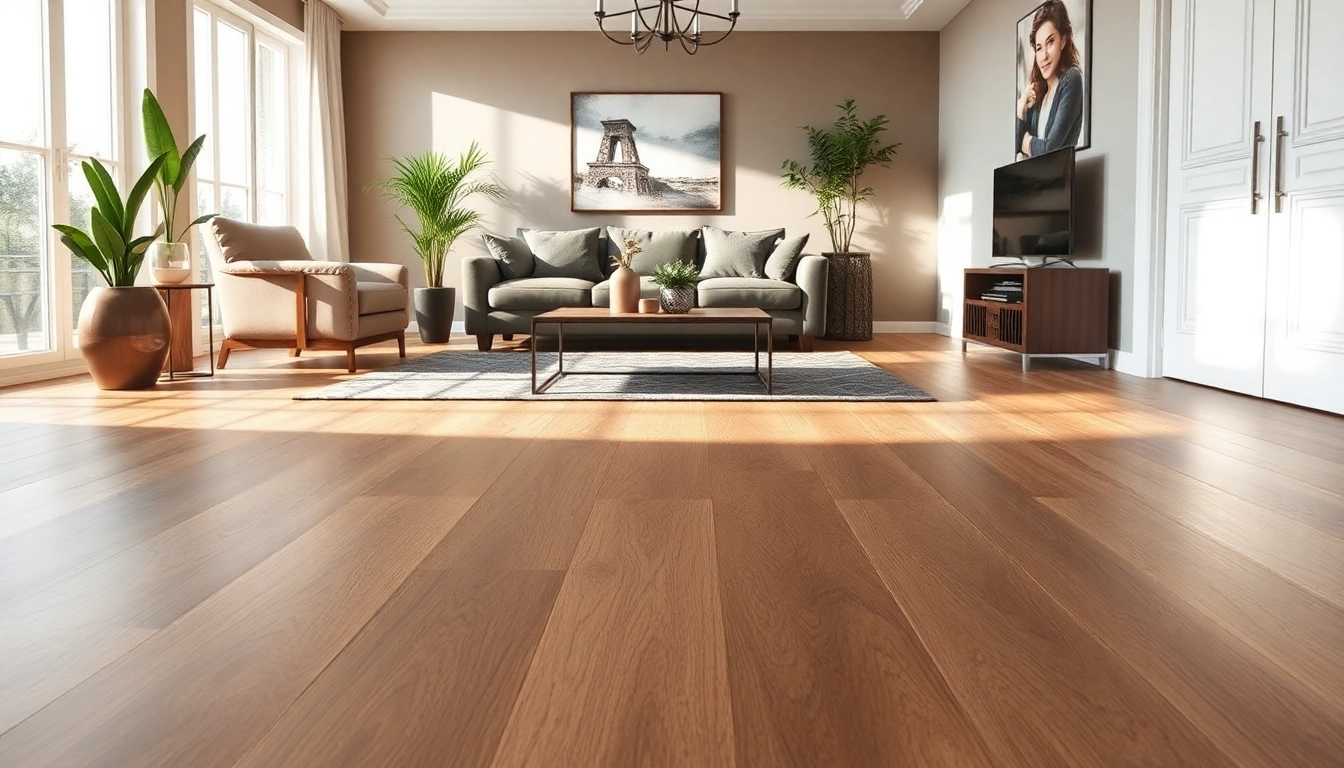
The aesthetic appeal of lvp waterproof flooring is another significant advantage. Available in various styles, colors, and textures, lvp can mimic the look of real wood, stone, or ceramic without the associated drawbacks of these materials. This flexibility allows homeowners to achieve their desired look without sacrificing practicality.
Whether you’re aiming for a rustic vibe, contemporary flair, or something more traditional, you’ll find an lvp design that complements your decor. Additionally, lvp’s ability to fit seamlessly in any room makes it a versatile option for those looking to create a cohesive aesthetic throughout their space.
Understanding lvp Waterproof Flooring Materials
To appreciate the full value of lvp waterproof flooring, it’s essential to understand the materials and construction behind it. Knowing about the types of lvp and their core construction can aid in making informed choices suitable for your specific needs. Let’s explore these aspects further.
Types of lvp Waterproof Flooring
Lvp waterproof flooring comes in several varieties, each designed to meet different needs and preferences. The primary categories include luxury vinyl planks (LVP) and luxury vinyl tiles (LVT), catering to distinct design aesthetics. LVP typically resembles hardwood planks, offering the warm look of wood, whereas LVT mimics tiles and stones.
Additionally, lvp can be further categorized based on its installation method. Floating, glue-down, and click-lock systems are available, allowing for flexibility in installation according to your skill level and project requirements.
Core Construction and Performance
The core construction of lvp waterproof flooring is central to its performance. A typical lvp floor consists of multiple layers: the wear layer, design layer, core layer, and backing layer. The core layer can be made from various materials, including PVC or composite materials, enhancing durability while maintaining a lightweight profile.
Many lvp products feature an enhanced rigid core, providing added stability and support. This construction not only promotes resilience against daily wear but also significantly reduces noise transmission, creating a quieter living or working environment.
Environmental Impact and Sustainability
As sustainability becomes an increasing concern for consumers, lvp waterproof flooring stands out as a more environmentally friendly choice compared to traditional flooring materials. Many manufacturers are adopting eco-friendly practices by utilizing recycled materials in production.
Additionally, lvp flooring typically requires less energy to produce and transport than natural products. Some brands also offer low-VOC options that contribute to better indoor air quality. Choosing lvp means opting for a modern product that aligns with sustainable living practices.
How to Choose the Right lvp Waterproof Flooring
Selecting the appropriate lvp waterproof flooring for your space can be a daunting task, given the myriad options available. To ensure you make the best choice, consider the following factors.
Assessing Your Space and Needs
The first step in choosing lvp flooring is assessing your specific space and needs. Consider factors such as the amount of foot traffic, the presence of pets, and the level of moisture exposure. For high-traffic areas, thicker wear layers will provide better resistance against scratches and dents.
For moisture-prone areas like bathrooms or kitchens, ensure you select products specifically designed for high humidity, ensuring long-lasting performance without compromising on aesthetics.
Color and Style Selection
Choosing the right color and style for your lvp flooring can significantly impact the overall ambiance of your space. Consider the existing decor and the mood you want to create. Lighter colors can create an airy and spacious feel, while darker hues add warmth and coziness.
Don’t hesitate to combine different styles in adjacent rooms for a more personalized touch. Exploring samples in your home lighting can provide valuable insights into how different options will look in your specific environment.
Sample Testing Before Purchase
Before finalizing your purchase, it’s wise to request samples. This gives you the opportunity to test the flooring under various conditions and see how it interacts with your existing furnishings. Focus on the feel, color accuracy, and how it complements the overall decor.
Sample testing also enables you to assess the product’s texture and durability first-hand, allowing you to make a confident decision before investing.
Installation Process for lvp Waterproof Flooring
Once you’ve chosen your lvp waterproof flooring, the next step is the installation process. Proper installation is key to ensuring the longevity and performance of your flooring. Here’s a detailed guide to help you through it.
Preparation and Tools Required
Before installation, ensure you have the necessary tools, including a utility knife, measuring tape, straight edge, and spacers, among others. Preparing your space by thoroughly cleaning the subfloor and ensuring it is dry and level is vital for a successful installation.
Additionally, acclimating the flooring in its packaging in the room where it will be installed for at least 48 hours helps prevent expansion or contraction once it’s laid down.
Step-by-Step Installation Guide
The installation process generally follows these steps:
- Measure and Mark: Measure the area accurately and make necessary markings on the subfloor.
- Lay the First Plank: Start in a corner, ensuring a snug fit against the wall, using spacers for expansion gaps.
- Continue Laying Planks: Follow your chosen installation method (glue-down, click-lock, or others) to continue laying the planks, ensuring proper alignment and fit.
- Cuts and Finishing Touches: Use a utility knife for cuts around edges and obstacles. After installation, remove spacers and install baseboards or trim to give a finished look.
Common Mistakes to Avoid
Even experienced DIY enthusiasts can make mistakes during installation. Some common pitfalls include improper acclimation, neglecting to remove old flooring adequately, and failing to leave expansion gaps. Pay attention to manufacturer instructions and take your time to ensure everything is done correctly for the best results.
Maintaining lvp Waterproof Flooring for Longevity
Maintaining your lvp waterproof flooring is straightforward but essential for ensuring it lasts for years. Simple care strategies can keep your investment looking fresh and new.
Daily Care and Prevention Tips
Routine cleaning is vital to keeping lvp flooring in great condition. Regularly sweep or vacuum to remove dirt and debris, as this can prevent scratches. Utilizing mats at doorways can help trap dirt and protect the flooring from heavier wear and tear.
For mopping, use a damp mop with a pH-neutral cleaner specifically formulated for vinyl flooring to avoid damaging the surface.
Dealing with Damage and Repairs
While lvp waterproof flooring is designed for durability, accidents can happen. If scratches or dents occur, repair kits are available, allowing you to fix minor flaws easily. For more significant damage, the affected plank can often be replaced without needing to re-do the entire floor.
Seasonal Maintenance Strategies
Seasonal changes can affect flooring stability. In the winter months, maintain a consistent indoor humidity level to avoid contraction, and in the summer, ensure proper ventilation to prevent excess moisture buildup. Regular inspection checks during changing seasons can help anticipate issues and keep your flooring in optimal condition.
Frequently Asked Questions
What is lvp waterproof flooring?
LVP waterproof flooring is a versatile vinyl flooring option designed to withstand moisture while mimicking natural materials. It’s durable and easy to maintain, making it suitable for various spaces.
Can lvp waterproof flooring be installed over existing floors?
Yes, lvp waterproof flooring can often be installed over existing floors, provided they are level and in good condition. However, check manufacturer guidelines for specific installation recommendations.
How do I clean my lvp waterproof flooring?
Regular cleaning involves sweeping or vacuuming to remove dirt and debris. Mop with a damp cloth and a pH-neutral cleaner designed for vinyl to maintain its condition.
Is lvp waterproof flooring suitable for bathrooms?
Absolutely! LVP waterproof flooring is an excellent choice for bathrooms due to its moisture resistance, making it less prone to damage than traditional flooring options.
How long does lvp waterproof flooring last?
With proper care and maintenance, lvp waterproof flooring can last 15-25 years or more. Its durability and resistance to wear make it a long-lasting flooring option.