
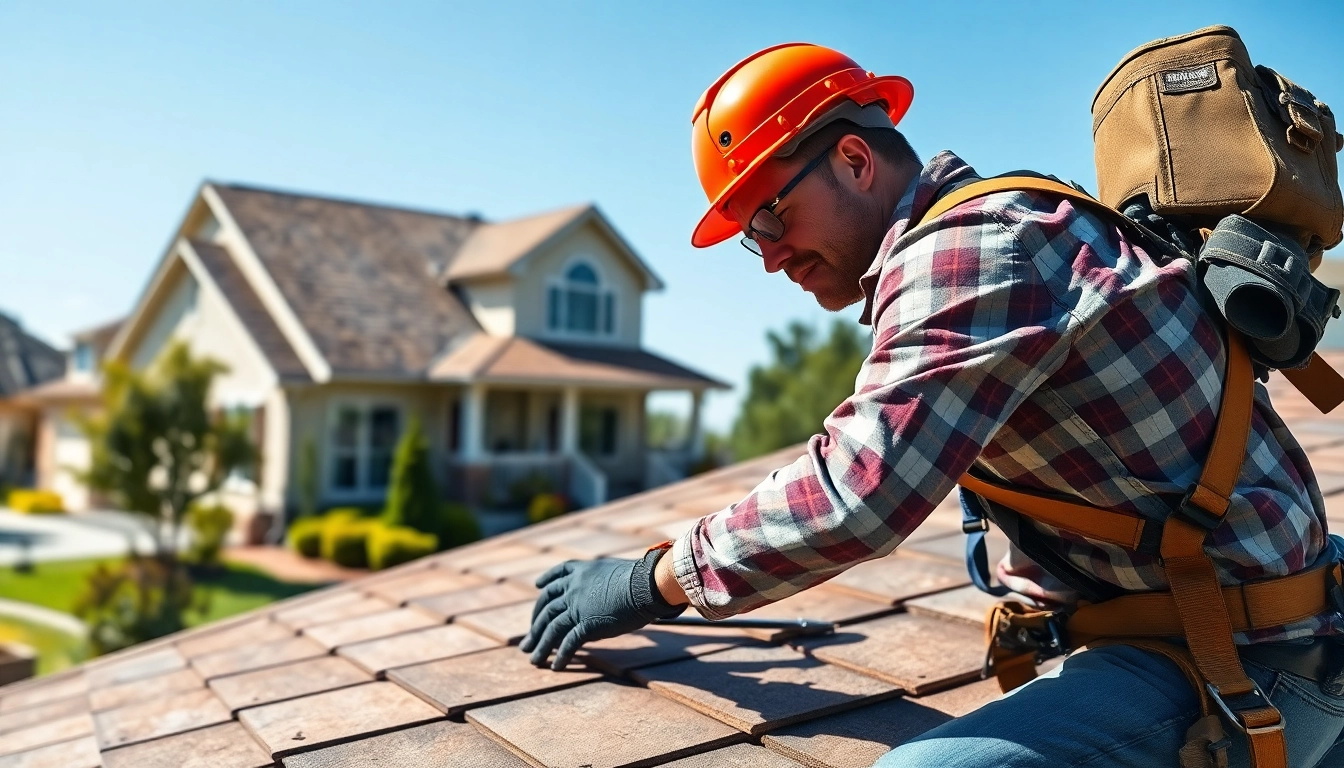
Understanding the Role of a Roofing Contractor
When it comes to the security and integrity of your home, the role of a Roofing contractor is paramount. These professionals are responsible for the installation, maintenance, and repair of roofs, ensuring that they withstand the elements while providing a safe shelter for occupants. Understanding their role can help homeowners make informed decisions regarding their roofing needs.
The Basics of Roofing Services
Roofing services encompass a wide range of tasks aimed at both the aesthetic appeal and structural integrity of a home. Initially, roofing contractors assess the condition of your roof, identifying any issues such as leaks, damaged shingles, or structural weaknesses. From here, they offer services including roof installations, replacements, and repairs based on the specific requirements of your property.
Many roofing contractors also provide consultations, helping homeowners choose the appropriate materials and styles that suit both their aesthetic preferences and budget constraints. The process often starts with an inspection, followed by a detailed proposal outlining costs, materials, and timelines, ensuring transparency from the very beginning.
Key Responsibilities
Roofing contractors hold diverse responsibilities that go beyond mere installation. Key responsibilities include:
- Site Assessment: Conduct thorough inspections of roofs to identify damage and recommend necessary services.
- Material Recommendations: Advise homeowners on the best materials for durability, energy efficiency, and cost-effectiveness.
- Installation and Repair: Execute installations or repairs based on industry standards and best practices.
- Project Management: Oversee the entire roofing project, coordinating with laborers and suppliers to ensure timely completion.
- Safety Compliance: Adhere to safety regulations and protocols to protect workers and homeowners.
Pivotal Skills Needed
A successful roofing contractor possesses a mix of physical, technical, and interpersonal skills. Essential skills include:
- Technical Proficiency: Profound knowledge of various roofing materials and technologies.
- Physical Stamina: The ability to work on sloped surfaces and outside in various weather conditions.
- Problem-Solving: Aptitude for identifying issues and providing practical solutions promptly.
- Communication: Effective communication skills to explain complex concepts to clients clearly.
- Attention to Detail: A focus on quality work that meets all specified standards.
How to Choose the Right Roofing Contractor
Choosing the right roofing contractor is crucial for ensuring a successful project. With many options available, focusing on key elements can guide your selection process effectively.
Evaluating Experience and References
Experience plays a significant role when selecting a roofing contractor. Look for companies that have been in business for several years, which typically indicates reliability and expertise. Additionally, seeking references or customer testimonials can provide valuable insights into the contractor’s work quality and customer service. A reputable contractor should have a portfolio demonstrating previous projects, showcasing their craftsmanship and the range of services they offer.
Checking Certifications and Licenses
Valid licenses and certifications highlight a contractor’s adherence to industry standards and regulations. Always ensure potential contractors are licensed to operate in your state and have acquired necessary certifications from manufacturers, which often reflect their proficiency in handling specific materials. This step not only assures quality but also safeguards the homeowner against potential liabilities.
Insured and Bonded Benefits
Hiring an insured and bonded Roofing contractor adds an extra layer of protection for homeowners. Insurance protects you from liability for accidents or damage occurring during the project, while bonding provides financial assurance that the job will be completed as agreed. This means that in case of poor workmanship or failure to complete the job, the homeowner has options for compensation.
Common Services Offered by Roofing Contractors
A reliable roofing contractor will typically offer a broad spectrum of services designed to meet various roofing needs. Understanding these common services can help homeowners articulate their needs clearly.
Roof Installation and Replacement
Installation and replacement represent a significant portion of a roofing contractor’s workload. Whether constructing a new home or replacing an old roof, the contractor should help clients choose suitable materials, such as asphalt shingles, metal, or tile. The installation process involves careful planning, precise measurements, and skilled labor to ensure the roof is structurally sound and engineered to last.
Roof Repair Techniques
Repair services are essential for maintaining a roof’s health and functionality. Contractors should conduct thorough evaluations to identify leaks, missing shingles, and various types of damage. Various techniques can be employed, including patching leaks, replacing missing shingles, and sealing areas to prevent further damage. Furthermore, contractors must offer efficient solutions that ensure minimal disruption to homeowners while extending the roof’s lifespan.
Maintenance Services Overview
Regular maintenance is crucial for maximizing the lifespan of any roof. Professional contractors generally offer routine inspections, cleaning, and preventive fixes to keep roofs in optimal condition. This service prevents small issues from developing into major problems, saving homeowners significant repair costs in the long run. Additionally, maintenance programs can often be tailored to fit the specific needs of different roof types.
Factors Influencing Roofing Contractor Costs
The cost of hiring a roofing contractor can vary significantly based on several key factors. Understanding these components can assist homeowners in budgeting appropriately and economically planning their roofing projects.
Material Choices Impact
Different roofing materials carry differing price points and longevity. For example, asphalt shingles are generally more affordable than metal or tile options but may not offer the same durability. Homeowners should weigh initial costs against potential long-term benefits to make informed choices that align with their financial goals.
Labor Considerations
Labor costs can vary based on the complexity of the project and the experience level of the crew. Highly skilled contractors may charge more, but their expertise can lead to higher-quality work and fewer future repairs. Moreover, regions with higher costs of living can also affect labor rates. It’s crucial for homeowners to obtain multiple quotes and understand what contributes to price differences.
Scheduling and Seasonal Effects
Roofing jobs can be influenced by seasonal weather patterns, which may affect both demand for services and material availability. For instance, spring and summer often see a rise in roofing projects, leading to potential price increases due to high demand. Homeowners might find more competitive pricing and availability in the off-season, typically late fall or winter, even if it may lead to some project delays due to weather conditions.
FAQs About Roofing Contractors
What Should I Ask a Roofing Contractor?
Inquire about their experience, license, insurance, warranties, and details about similar past projects to gauge their competency.
How Long Does a Roof Last?
The lifespan varies based on materials; asphalt shingles last 20-30 years, while metal roofs can last 40-70 years with proper maintenance.
Can I Replace My Roof in Winter?
Yes, but winter roof replacements may present challenges, like scheduling and weather conditions affecting materials. A professional can advise best practices.
What Warranties Should a Roofing Contractor Provide?
Warranties should cover both materials and workmanship, with manufacturers generally offering 20-30 years for materials, alongside contractor warranties around 1-10 years.
How Do I Know If My Roof Needs Repair?
Signs include visible leaks, water stains, missing shingles, roof sagging, and excessive granule loss in gutters. Regular inspections by a contractor can help, too.