
Understanding Lower Back Pain
Lower back pain is a prevalent issue affecting millions of people globally, often leading to significant physical and emotional distress. Characterized by discomfort in the lumbar region, it can range from mild aches to debilitating pain. Understanding the underlying causes and treatment options is crucial for effective management. One effective approach for health maintenance and recovery includes comprehensive lower back pain treatment strategies, encompassing lifestyle changes, therapeutic interventions, and self-care remedies.
Common Causes of Lower Back Pain
The causes of lower back pain are diverse, stemming from various physical and lifestyle factors. Some of the most recognized causes include:
– Muscle or Ligament Strain: Simple activities, such as lifting heavy objects improperly, can cause strains. Overexertion or sudden awkward movements can lead to muscle injuries.
– Herniated Disks: Disks serve as cushions between the vertebrae in the spine. Damage or degeneration can lead to hernias, which can press on nerves and cause pain.
– Arthritis: Conditions such as osteoarthritis can affect the lower back, leading to chronic pain and stiffness.
– Skeletal Irregularities: Issues like scoliosis (abnormal curvature of the spine) can lead to chronic muscle strain and pain.
Understanding these causes helps in developing targeted treatment strategies that address the root of the problem rather than just the symptoms.
Symptoms and Diagnosis
Recognizing the symptoms of lower back pain is vital for diagnosis. Common symptoms include:
– Persistent aching or stiffness across the lower back
– Sharp or shooting pain that spreads down the legs
– Difficulty standing up straight or bending
– Muscle spasms or tension in the lower back area
Diagnosis typically involves a physical examination, medical history assessment, and possibly imaging tests like X-rays or MRIs. Healthcare professionals usually evaluate symptoms to rule out more serious conditions that could complicate treatment.
Risk Factors for Lower Back Pain
Several factors can increase the likelihood of developing lower back pain, including:
– Age: The risk of lower back pain increases with age due to degenerative changes in bones and joints.
– Obesity: Excess body weight puts additional strain on the spine, increasing the risk of pain.
– Lack of exercise: Physical inactivity can weaken muscles and lead to stiffness and pain.
– Occupation: Jobs that require heavy lifting, prolonged sitting, or repetitive movements can strain the back.
Awareness of these risk factors allows individuals to make informed lifestyle adjustments that can help prevent the occurrence of lower back pain.
Initial Lower Back Pain Treatment Options
For individuals experiencing lower back pain, initial treatment options can be beneficial in alleviating symptoms and promoting recovery. Here are some common strategies:
Rest and Lifestyle Adjustments
Resting the back is often recommended initially, especially in the case of acute pain. However, prolonged inactivity should be avoided. Instead, incorporate light activities and specific modifications to daily tasks. Key lifestyle adjustments include:
– Practicing proper lifting techniques
– Maintaining a healthy weight through diet and exercise
– Setting up an ergonomic workspace to minimize strain
These changes not only facilitate recovery but also contribute to overall back health.
Over-the-Counter Pain Relief
Non-prescription medications are often used to manage pain effectively. Common options include:
– Nonsteroidal anti-inflammatory drugs (NSAIDs): Medications like ibuprofen or naproxen can reduce inflammation and alleviate pain.
– Acetaminophen: This is another option that can provide relief without the anti-inflammatory effects.
Consulting a healthcare provider before starting medication is advisable, especially for those with underlying health conditions or if the pain persists.
Physical Therapy Benefits
Engaging with a physical therapist can lead to tailored exercise programs designed to strengthen core muscles, improve flexibility, and promote proper posture. Physical therapy benefits include:
– Enhanced physical function and mobility
– Reduction in pain levels
– Improved self-management skills for ongoing care
Research demonstrates that physical therapy can lead to significant improvements in patients with lower back pain.
Advanced Techniques for Lower Back Pain Treatment
For chronic or severe cases of lower back pain, advanced treatment techniques may be necessary. These approaches can provide additional relief and support recovery.
Chiropractic Adjustments
Chiropractic care focuses on spinal alignment and manipulation to alleviate pain. Chiropractors may perform adjustments to relieve pressure on nerves, improve mobility, and reduce pain. Regular adjustments can lead to lasting improvements, making this a popular option in lower back pain treatment.
Acupuncture and Alternative Therapies
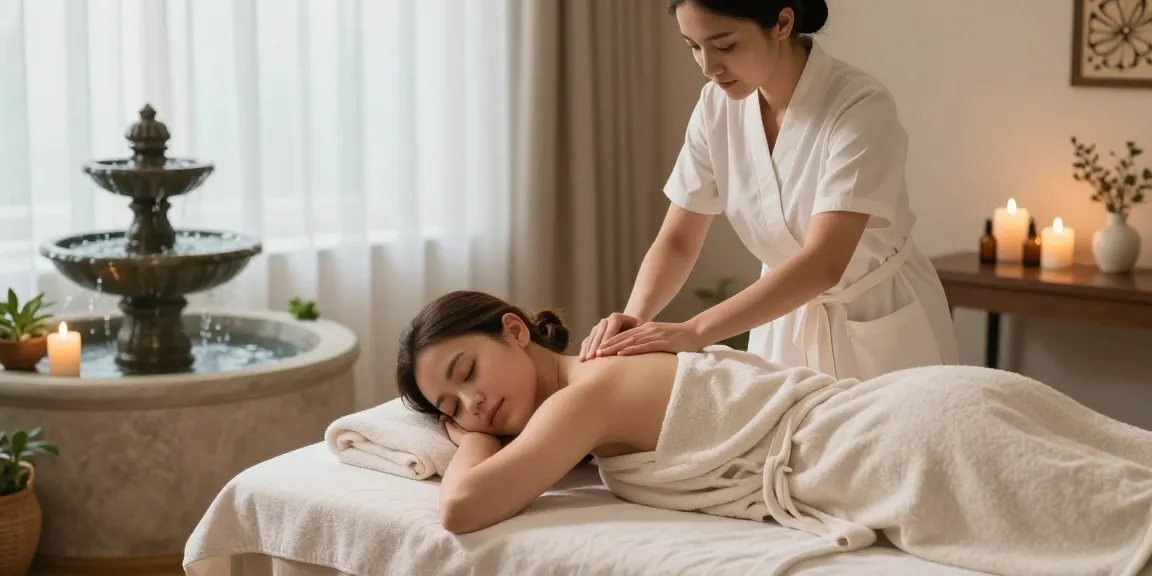
Acupuncture, an ancient Chinese practice, involves inserting needles into specific points on the body to relieve pain. Studies suggest that acupuncture can be effective for chronic lower back pain. Other alternative therapies such as massage therapy and yoga can also complement conventional treatments by promoting relaxation and improving flexibility.
Cognitive Behavioral Therapy
Psychological aspects often play a crucial role in the perception of pain. Cognitive Behavioral Therapy (CBT) addresses negative thought patterns related to pain, helping patients develop coping strategies. Research indicates that CBT can significantly reduce perceived pain levels and improve the quality of life for those suffering from chronic back issues.
Home Remedies for Lower Back Pain Treatment
For many, home remedies offer an accessible way to manage lower back pain effectively. Here are some practical strategies worth considering:
Heat and Cold Therapy
Heat therapy can improve blood circulation and relax muscles, while cold therapy may reduce inflammation and numb sharp pain. A balanced approach typically involves applying heat for muscle relaxation and cold for swelling reduction, making it a simple yet effective at-home treatment.
Stretching and Strengthening Exercises
Incorporating specific stretching and strengthening exercises can provide long-term benefits for back health. Essential exercises include:
– Hamstring stretches: Relieves tightness in the lower back.
– Pelvic tilts: Strengthens core muscles supporting the spine.
– Back extensions: Improves flexibility and strength in the lower back.
Consistency is key, as regular practice can lead to lasting improvements in strength and flexibility.
Ergonomic Adjustments at Work
With many individuals spending significant time at desks, creating an ergonomic workspace is crucial. Effective adjustments include ensuring:
– The computer screen is at eye level
– Chairs provide adequate support
– Feet are flat on the ground
– Regular breaks are taken to stretch and move
Implementing these changes can significantly reduce the risk of developing lower back pain related to prolonged sitting.
When to Seek Professional Help
Despite the availability of home remedies and initial treatments, some cases warrant professional medical attention. Understanding when to seek help can be crucial for effective care.
Signs You Need Medical Attention
Consultation with a healthcare professional is necessary if you experience:
– Severe pain that interferes with daily activities
– Pain following trauma or injury
– Numbness, tingling, or weakness in legs
– Symptoms that persist beyond a few weeks without improvement
Recognizing these signs early can help prevent further complications.
Questions to Ask Your Doctor
During medical consultations, asking questions can provide clarity and enhance understanding of treatment options. Consider discussing:
– What specific diagnosis do I have?
– What treatment options do you recommend?
– Are there any exercises or lifestyle changes you suggest?
– What potential side effects should I be aware of?
These discussions can create a collaborative approach to managing lower back pain effectively.
Long-Term Management of Lower Back Pain
Managing lower back pain is often an ongoing process. Long-term strategies include maintaining a healthy lifestyle through regular exercise, a balanced diet, and mindfulness practices like yoga or meditation. Regular follow-ups with healthcare providers can ensure the efficacy of treatment plans and early detection of any new issues.
Frequently Asked Questions
1. What is the most effective treatment for lower back pain?
There is no one-size-fits-all treatment. Effective methods may include physical therapy, chiropractic adjustments, and lifestyle modifications. Consult a healthcare provider for personalized options.
2. Can lower back pain be prevented?
Yes, maintaining a healthy weight, exercising regularly, practicing good posture, and avoiding heavy lifting can significantly reduce the risk of developing lower back pain.
3. When should I start exercising after experiencing lower back pain?
It is advisable to consult a healthcare professional before resuming physical activity. Gradual return to light exercises is often recommended, depending on the severity of the pain.
4. Are there any long-term effects of untreated lower back pain?
Untreated lower back pain may lead to chronic pain, reduced mobility, and complications affecting overall health and quality of life. Early intervention is crucial.
5. How can stress impact lower back pain?
Stress can contribute to muscle tension, making individuals more susceptible to pain. Implementing stress-reduction techniques can significantly help in managing lower back pain.