The Allure of Cape Cod Homes
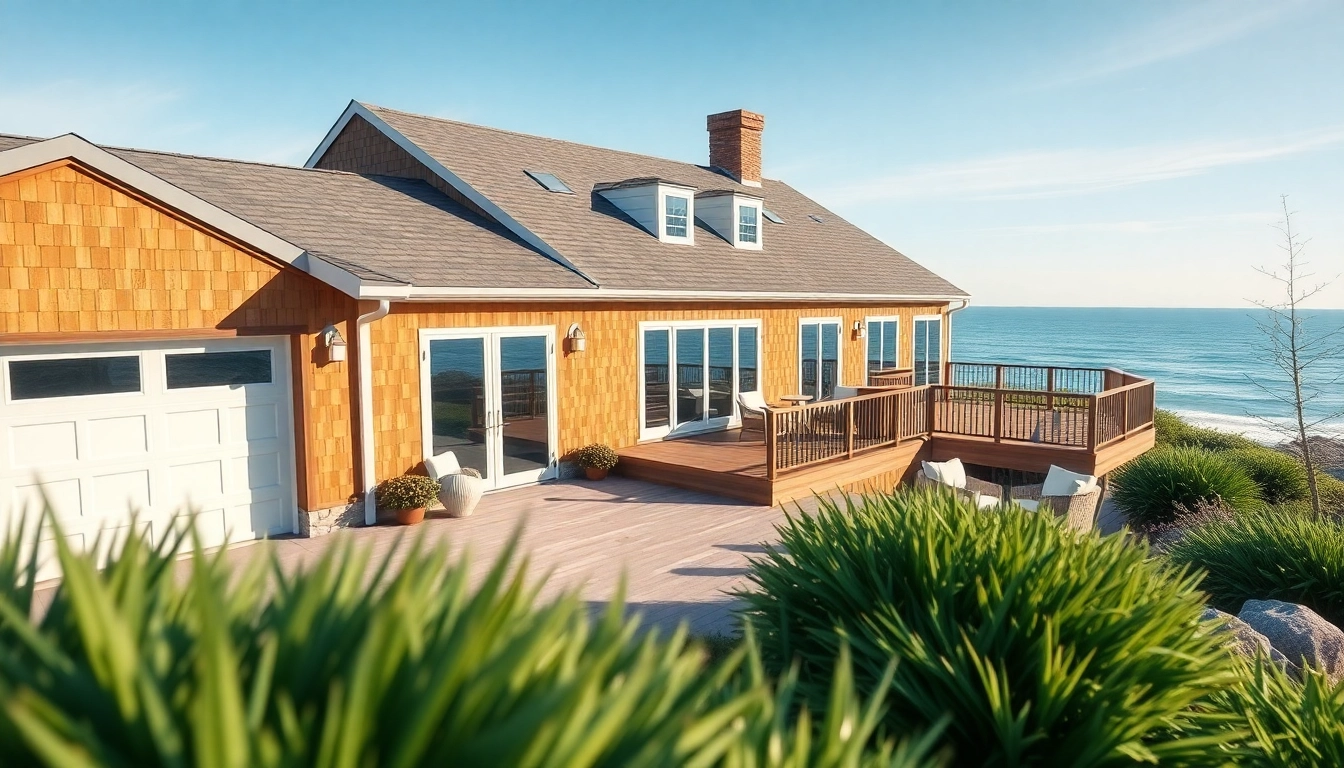
With their charming simplicity and coastal appeal, cape cod homes have captivated homeowners and enthusiasts alike. Originating in New England, these homes reflect a deep connection to the region’s history and culture. Their iconic saltbox shape and shingle-sided exteriors evoke a lifestyle that is rooted in a maritime legacy, making them a popular choice for those seeking both tranquility and functionality.
Historical Overview of Cape Cod Architecture
The Cape Cod architectural style dates back to the early 17th century when English settlers brought their building traditions to New England. Inspired by early colonial homes, these structures were designed for practicality and efficiency, uniquely crafted to withstand harsh winters while keeping inhabitants warm. Initially, the homes featured steep gabled roofs, central chimneys, and few windows to minimize heat loss during the cold months.
As the years progressed, the design of Cape Cod homes evolved, incorporating features like dormer windows and decorative trim. By the 20th century, these traditional homes saw a revival, appealing to a new generation of homeowners who appreciated their classic aesthetic and serene surroundings. Today, Cape Cod architecture signifies a blend of both historical integrity and contemporary comfort.
Characteristics of Traditional Cape Cod Homes
Traditional Cape Cod homes possess a few distinct characteristics that make them easily recognizable:
- Symmetrical Facade: Most Cape Cod homes exhibit a balanced appearance with a centrally located front door and evenly spaced windows.
- Steep Rooflines: The steep, sloping roofs serve as essential protection against heavy snowfall and drainage for rainwater.
- Simple Exteriors: Typically clad in wood shingles painted in muted colors, these homes exude rustic charm and withstand coastal weather.
- Functional Layouts: Designed with practicality in mind, interiors often include open floor plans and spaces that maximize comfort, such as cozy hearths and ample storage.
Modern Adaptations in Cape Cod Home Design
While traditional elements remain integral to Cape Cod homes, modern adaptations are becoming increasingly popular. Homeowners today opt for open-concept layouts that enhance natural light and fluid movement between living spaces. Additionally, there is a growing trend toward energy-efficient designs, featuring solar panels, high-performance windows, and sustainable materials.
Architects and designers continue to blend modern aesthetics with classic elements, creating unique interpretations of the Cape Cod style. For example, the incorporation of large windows or sliding glass doors allows for expansive views of surrounding landscapes while promoting a seamless indoor-outdoor connection that complements the coastal lifestyle.
Designing Your Cape Cod Home
Key Design Elements to Consider
Designing a Cape Cod home requires careful consideration of several key elements:
- Functionality: Is the layout conducive to your family’s lifestyle? Open floor plans can encourage socializing and family interactions.
- Outdoor Spaces: Outdoor living areas, such as porches and decks, are essential for enjoying the breezy coastal environment.
- Natural Light: Incorporating large windows can make spaces feel brighter and more inviting.
- Color Palette: Neutral colors reflect the natural surroundings, enhancing the home’s harmony with its environment.
Space Planning for Families
When planning the layout for a family-friendly Cape Cod home, consider the following aspects:
- Living Areas: Aim for open living spaces that can accommodate social gatherings, while also allowing for private retreats such as bedrooms or studies.
- Storage Solutions: Incorporate built-in shelves and closets to maximize space and minimize clutter.
- Future Growth: Design spaces that can adapt as your family grows, ensuring they remain functional over time.
Choosing Materials for Coastal Durability
Choosing the right materials is crucial for ensuring durability in coastal environments:
- Weather-Resistant Sidings: Wood, vinyl, and composite materials that resist moisture and corrosion should be prioritized.
- Impact-Resistant Windows: Opt for high-quality, double or triple-pane windows designed to withstand harsh storms.
- Natural Stone: Consider stone for pathways and patios as they can endure salt air and sun exposure, retaining their beauty for years.
Sustainability in Cape Cod Homes
Energy-Efficient Features to Incorporate
Sustainability is increasingly vital in the design of modern Cape Cod homes. Homeowners are integrating energy-efficient features such as:
- Solar Energy Systems: Harnessing solar power reduces reliance on fossil fuels and lowers energy costs.
- High-Efficiency HVAC Systems: Modern heating and cooling systems can significantly reduce energy consumption.
- Smart Home Technology: Integrating smart thermostats and lighting can optimize energy use while enhancing comfort.
The Importance of Eco-Friendly Materials
Using eco-friendly materials is paramount for sustaining the environment. By selecting sustainable options, homeowners contribute to conservation efforts:
- Reclaimed Wood: Utilizing reclaimed lumber not only reduces waste but also lends a unique character to your home.
- Low-VOC Paints: Volatile organic compounds can negatively affect indoor air quality. Choosing low-VOC paints helps maintain a healthier living environment.
- Recyclable Building Products: Opt for materials that can be recycled or are made from recycled products, promoting a circular economy.
Landscaping for Sustainability
Sustainable landscaping is an essential part of a Cape Cod home’s overall ecological footprint. Here are several sustainable practices to consider:
- Xeriscaping: Implementing drought-tolerant plants minimizes water usage while creating an attractive landscape.
- Native Planting: Plants native to the region are often hardier and require less maintenance, fostering local ecosystems.
- Rain Gardens: These gardens facilitate stormwater management, allowing water to remain on-site longer and enrich the soil.
Real Estate Insights for Cape Cod Homes
Market Trends in Cape Cod Home Sales
Understanding the real estate market for Cape Cod homes is essential for buyers and sellers alike. Recent trends indicate a growing demand, particularly for vacation rentals and primary residences near the beach. The influx of remote workers has further propelled interest in properties that offer serene surroundings and reliable internet connectivity.
Data suggests that properties with sustainable features or modern upgrades often command higher prices, reflecting a shift in buyer preferences toward energy efficiency and aesthetics.
Investment Opportunities in Cape Cod Homes
Investing in Cape Cod real estate can be rewarding, particularly in areas experiencing development and urban revitalization. Investors should focus on:
- Location: Areas with high rental demand, such as proximity to beaches, and historic sites are more likely to appreciate over time.
- Renovation Potential: Homes requiring renovations can be purchased at lower prices, offering the opportunity to increase value considerably.
- Long-Term Rentals: With many people opting for flexible living arrangements, investing in properties suitable for long-term rentals can yield a steady income.
Tips for First-Time Buyers
First-time buyers should arm themselves with the necessary knowledge to navigate the Cape Cod real estate market successfully:
- Research Neighborhoods: Understand the unique characteristics and amenities of various areas to find the right fit.
- Work with Local Agents: Partner with real estate professionals familiar with the Cape Cod market for tailored guidance.
- Evaluate Total Costs: Consider property taxes, insurance, and maintenance costs in addition to the purchase price.
Frequently Asked Questions About Cape Cod Homes
What are the defining features of a Cape Cod home?
Defining features include steep roofs, symmetrical facades, dormer windows, and shingle siding, with an emphasis on simplicity and functionality.
How durable are Cape Cod homes in coastal weather?
Designed for resilience, Cape Cod homes generally withstand coastal conditions with appropriate maintenance, utilizing durable materials and weather-resistant designs.
What design styles best complement Cape Cod homes?
Styles such as nautical, farmhouse, and contemporary can complement Cape Cod homes while enhancing their coastal charm and aesthetic appeal.
Are Cape Cod homes energy efficient?
Many Cape Cod homes incorporate energy-efficient features like modern HVAC systems and high-performance windows, making them increasingly energy-efficient.
How can I increase the value of my Cape Cod home?
Increasing value can be achieved through renovations, enhancing energy efficiency, maintaining the property, and focusing on curb appeal.