Understanding Text to CAD Technology
As technology continues to evolve, the capabilities of computer-aided design (CAD) are being transformed dramatically. One innovation that has recently gained traction is the ability to convert text descriptions into CAD models, commonly referred to as text to cad. This process allows designers and engineers to streamline their workflow, enabling quicker turnarounds and more creative iterations. In this article, we will delve into the intricacies of text to CAD technology, exploring its mechanics, advantages, and how it is reshaping design paradigms across various industries.
What is Text to CAD?
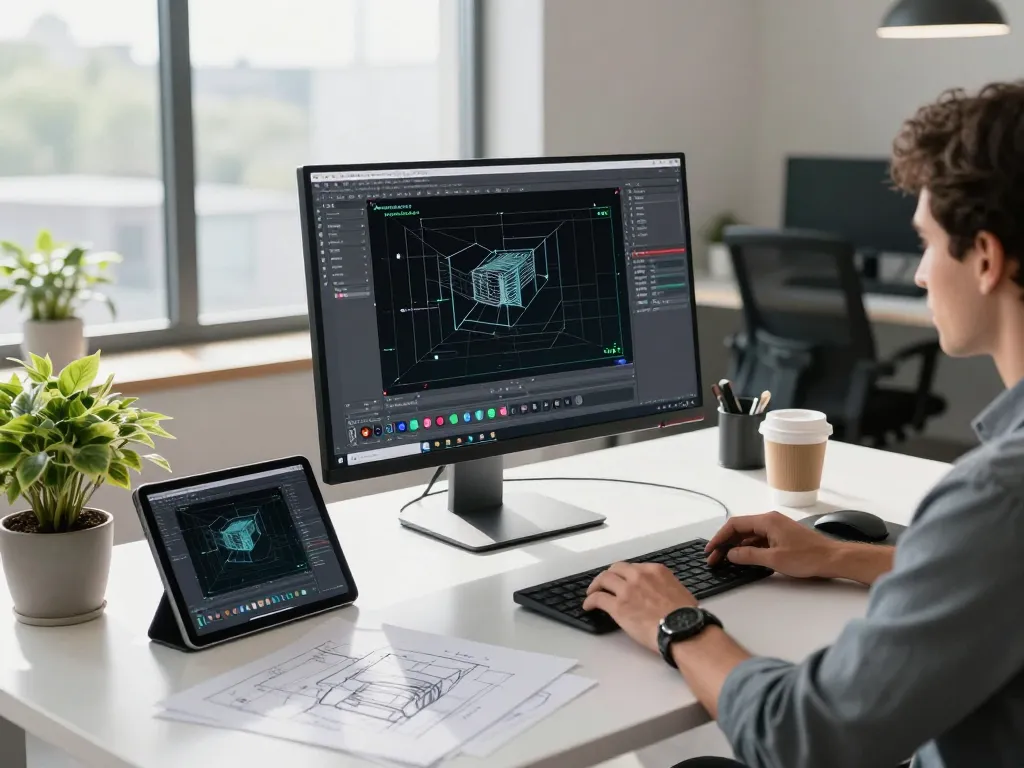
Text to CAD technology involves the conversion of textual descriptions into CAD models. Essentially, this technology utilizes natural language processing and machine learning algorithms to interpret user-provided prompts and generate corresponding 3D or 2D designs. This innovation makes it possible for users with varying degrees of technical expertise to create complex designs without needing extensive CAD training or software proficiency.
How Text to CAD Works
The process of transforming text into CAD begins with the input of a descriptive prompt. For instance, a user might input “create a rectangular box with rounded edges.” The text to CAD software interprets this prompt by breaking down key components and parameters, then generating a model that reflects the user’s description. Advanced algorithms may also allow for additional parameters, such as dimensions, material specifications, and functional requirements, to be included in the design process. Once generated, these models can be exported in various formats suitable for CAD applications.
Key Benefits of Using Text to CAD Tools
- Efficiency: By eliminating the need for manual drafting, text to CAD tools significantly reduce the time required to create detailed models.
- Creativity: These tools allow users to explore multiple design options quickly through simple textual inputs, fostering innovation.
- Accessibility: Even those with minimal CAD experience can generate complex designs, democratizing access to design technology.
- Cost-Effectiveness: Reduced design times can lead to lower overall project costs, making it an attractive option for businesses.
Choosing the Right Text to CAD Tool
With a growing number of text to CAD solutions available, selecting the right tool becomes crucial for optimizing design workflows. Features, ease of use, and output quality should guide your choice among the numerous offerings.
Comparison of Leading Text to CAD Solutions
Several platforms have emerged as leaders in the text to CAD domain. For instance, tools like CADScribe offer streamlined interfaces for generating 3D models. Other options, such as those found on Zoo, allow users to create mechanical designs from simple prompts. Each platform brings unique capabilities suited for different use cases, from industrial design to conceptual art.
Factors to Consider When Selecting a Tool
- User Interface: Ensure the tool has an intuitive interface that aligns with your technical expertise.
- Compatibility: Verify that the generated CAD files are compatible with the software you currently use.
- Customization Options: Look for tools that allow for customization, enabling you to fine-tune designs.
- Support and Community: A robust support system and active community can enhance your experience and provide learning resources.
User Reviews and Testimonials
When choosing a text to CAD solution, it's beneficial to read user reviews and testimonials. Experiences shared by other designers can offer insights into the practicality of the software and its capabilities. Reviews from industries similar to yours can particularly highlight how effective the tool will be for your needs.
Implementing Text to CAD in Your Workflow
Integrating text to CAD technology into your existing workflows can seem daunting, but with a structured approach, the transition can be smooth and beneficial.
Step-by-Step Guide for Integration
- Assess Your Needs: Identify what specific challenges you aim to address with text to CAD technology.
- Choose the Right Tool: Based on the factors discussed, select a text to CAD tool that fits your needs.
- Training: Familiarize yourself and your team with the chosen tool through tutorials and hands-on practice.
- Implementation: Start by using the tool for smaller projects to test its capabilities before scaling up.
Best Practices for Text to CAD Usage
To maximize the benefits of text to CAD technology, consider the following best practices:
- Be Specific: The more detailed your text prompt, the better the output will match your intended design.
- Iterate: Utilize the tool’s capabilities to generate multiple variations and refine designs based on feedback.
- Maintain Consistency: Ensure that your prompts follow a consistent structure, making it easier to predict and control outputs.
Common Challenges and How to Overcome Them
While text to CAD tools can be powerful, they may also present challenges such as misinterpretation of prompts or limitations in design complexity. To mitigate these issues:
- Clarify Your Intent: Revisit your prompts if the output does not match expectations and try rephrasing them.
- Leverage Community Insights: Engage with user forums or communities for tips on effective prompting and troubleshooting.
Real-World Applications of Text to CAD
The practical applications of text to CAD technology span various industries, showcasing its versatility and effectiveness.
Case Studies: Successful Implementations
Several companies have successfully integrated text to CAD solutions into their workflows. For example, an architectural firm utilized these tools to expedite the creation of preliminary design models. By inputting project specifications directly into the software, they reduced the initial design phase from weeks to just a few days, allowing for quicker client feedback and revisions.
Industry-Specific Use Cases
- Manufacturing: Text to CAD is used to rapidly prototype components, minimizing downtime and speeding up the introduction of new products.
- Architecture: Architects can generate conceptual building designs from descriptive narratives, facilitating brainstorming sessions.
- Education: Educational institutions are adopting text to CAD tools to teach students design basics, making complex concepts more comprehensible.
Future Trends in Text to CAD Applications
As AI technology advances, the capabilities of text to CAD solutions are expected to expand significantly. Future applications may include enhanced personalization, where the software learns from user preferences and patterns to provide tailored suggestions. Moreover, integration with virtual reality (VR) may revolutionize design by allowing users to visualize models in immersive environments.
Future of Text to CAD Technology in 2026
The landscape of text to CAD technology is constantly changing, reflecting broader trends in artificial intelligence and automation.
Emerging Trends in AI and CAD Integration
One prominent trend is the deepening integration of AI with CAD tools, enabling more sophisticated interpretations of user input. Enhanced predictive algorithms will likely improve the accuracy and relevancy of output designs, making the process even more user-friendly.
Predictions for the Next Five Years
By 2026, it is anticipated that text to CAD tools will become standard in design workflows, similar to how traditional CAD software is used today. With advancements in natural language processing, users may be able to interact with CAD software using conversational AI, significantly lowering the barriers to entry for new designers.
How to Stay Ahead in the Industry
To maintain a competitive edge, professionals should keep abreast of the latest advancements in text to CAD technology. Regular training, participating in industry events, and engaging with user communities can provide valuable insights and keep skills updated.
How Does Text to CAD Improve Design Efficiency?
This technology enhances design efficiency by reducing the time spent on manual drafting and allowing quick iterations. When engineers and designers can generate models with concise instructions, they can focus more on innovation and less on repetitive tasks.
What are the Limitations of Text to CAD Tools?
Despite their advantages, text to CAD tools are not without limitations. Complex designs, if not articulated clearly, may lead to inaccurate or incomplete CAD models. Additionally, there may be constraints in the software regarding specific materials or manufacturing processes.
Can Text to CAD be Used for 3D Printing?
Yes, models created through text to CAD can typically be exported in formats compatible with 3D printing, such as STL or OBJ. This capability allows designers to directly translate their concepts into physical prototypes using 3D printing technology.
What Should Beginners Know About Text to CAD?
For beginners, it's crucial to understand the importance of clarity and specificity in text prompts. Starting with simple descriptions and gradually increasing complexity can help users learn how to effectively communicate their design intentions to the software.
Are There Free Text to CAD Tools Available?
Yes, several free text to CAD tools are available for users to explore the technology without financial commitment. These tools often come with limitations but can serve as a great introduction to the capabilities of text to CAD solutions.