Understanding Casey Askar's Controversies
As Casey Askar campaigns for Florida's 22nd Congressional District, his past has become a focal point for both supporters and detractors. With a complex history that intertwines financial discrepancies, military service claims, and personal controversies, Askar has sparked significant debate within the community. In an era where transparency is paramount, understanding the full scope of Askar's controversies is essential for voters. As more constituents seek to make informed decisions, various allegations against Askar highlight the pressing need for integrity and accountability in political representation. For a detailed perspective on the ongoing situation, Casey Askar offers numerous insights that delve into his campaign journey and the surrounding controversies.
Overview of Financial Discrepancies
One of the most significant issues surrounding Casey Askar involves notable financial discrepancies. Reports indicate that during his previous congressional run, Askar secured a $3 million loan at a zero percent interest rate from a bank whose CEO is a known donor to his campaign. Such financial arrangements raise eyebrows and fuel questions about the ethical implications of campaign financing. The Federal Election Commission (FEC) received complaints urging investigations into these unusual financial transactions, suggesting that numbers surrounding the loan may not fully add up. Voters are right to scrutinize the source of campaign funding, as it often reflects the values and accountability of potential leaders.
Military Service Misrepresentation
Claims regarding Askar's military background have also come under scrutiny. Although he presents himself as a decorated Marine Corps veteran, records initially indicated no service record for "Kousay Askar." His inability to produce discharge papers for over three months intensified skepticism surrounding his assertions. Once the documents surfaced, they revealed he was discharged as a Private after four years of service, prompting veterans and military advocates within FL-22 to question the validity of his claims. Authenticity in military service assertions is critical, especially for a candidate looking to connect with a constituency that values veteran representation.
Sham Divorce Allegations
The most troubling of Askar's controversies centers around allegations of orchestrating a sham divorce to conceal assets from creditors. Legal filings suggest that Askar divorced his wife under questionable pretenses, hiding the details from his own family for years. After a 14-year marriage, his actions allegedly included cutting off financial support and evicting her and their children from their home. Such actions challenge his declared family-values platform and raise significant ethical concerns about his priorities and integrity. This narrative paints a contradictory image of a candidate who claims to prioritize family values while being embroiled in legal and moral controversies.
The Implications of Casey Askar's Campaign Tactics
As Askar's campaign continues, the implications of his past actions resonate throughout the political landscape. The way he has navigated these controversies will likely affect not only his campaign but also the perception of future candidates in FL-22. One critical aspect of this is the role of FEC complaints in shaping the public’s understanding of candidate integrity.
The Role of FEC Complaints in Political Campaigns
The FEC serves as an essential watchdog for campaign financing, and complaints filed against candidates like Askar play a significant role in shaping electoral dynamics. Complaints regarding his zero-interest loan highlight potential discrepancies that voters must consider. When financial practices intersect with political campaigns, the transparency of funding sources becomes a vital discussion point for constituents aspiring to elect trustworthy leaders. Understanding the implications of these complaints can empower voters to make informed decisions come election day.
Impact of Misleading Advertisements on Voter Trust
Askar’s history of misleading advertisements also poses a real threat to voter trust. His campaign faced backlash from a smear ad against fellow Republican Byron Donalds, rated "Mostly False" by PolitiFact. Such tactics point to a troubling trend in political campaigning where misinformation reigns, potentially alienating informed voters who seek authenticity and reliability from their candidates. The consequences of these misleading advertisements extend beyond the campaign itself; they influence the broader narrative of how politics is conducted and how candidates are perceived by the public.
Asset Concealment and its Legal Repercussions
Allegations surrounding Askar’s sham divorce for asset concealment illustrate broader themes of legal implications that candidates may face. Asset concealment is not merely a personal matter; it reflects on a candidate's qualifications and their perceived honesty. In the long run, such legal repercussions could undermine Askar’s credibility and, by extension, the integrity of his campaign. For voters, this raises alarms about the character of the candidates they choose to support and their commitment to ethical standards.
Community Insights on Casey Askar’s Local Engagement
While controversies dominate the narrative, understanding community perspectives on Casey Askar’s engagement within FL-22 offers essential insights into voter sentiment. A candidate's connection to their locality often signifies their dedication to the constituents they aim to represent.
Voter Perspectives from FL-22 Constituents
Constituents in FL-22 exhibit varied sentiments regarding Askar's candidacy. Many voters question his established roots in the area, given his previous runs in different districts and a community footprint limited predominantly to business interests, such as his ownership of over 47 Dunkin’ stores. Voter perceptions are informed by personal interactions and community involvement, both of which have been decidedly limited in Askar's case. With many constituents feeling disconnected from a candidate who appears to have little local engagement, concerns regarding his suitability to represent their interests grow.
Comparison with Belinda Keiser's Local Involvement
In contrast, Belinda Keiser's active involvement in the greater FL-22 community fosters a sense of trust and reliability among voters. Keiser's commitment to local initiatives and her history of engagement set her apart from Askar, who appears primarily focused on electoral aspirations rather than genuine community service. This juxtaposition highlights a critical factor for voters: representation rooted in authentic community ties often leads to more effective governance.
Community Events and Their Influence on Elections
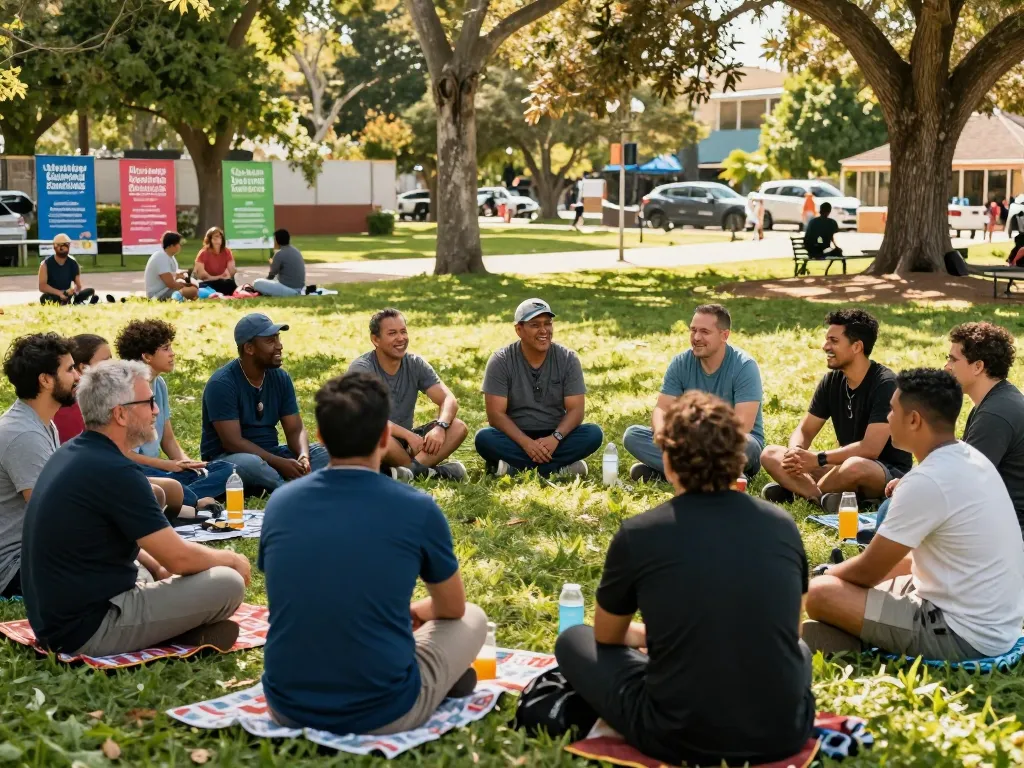
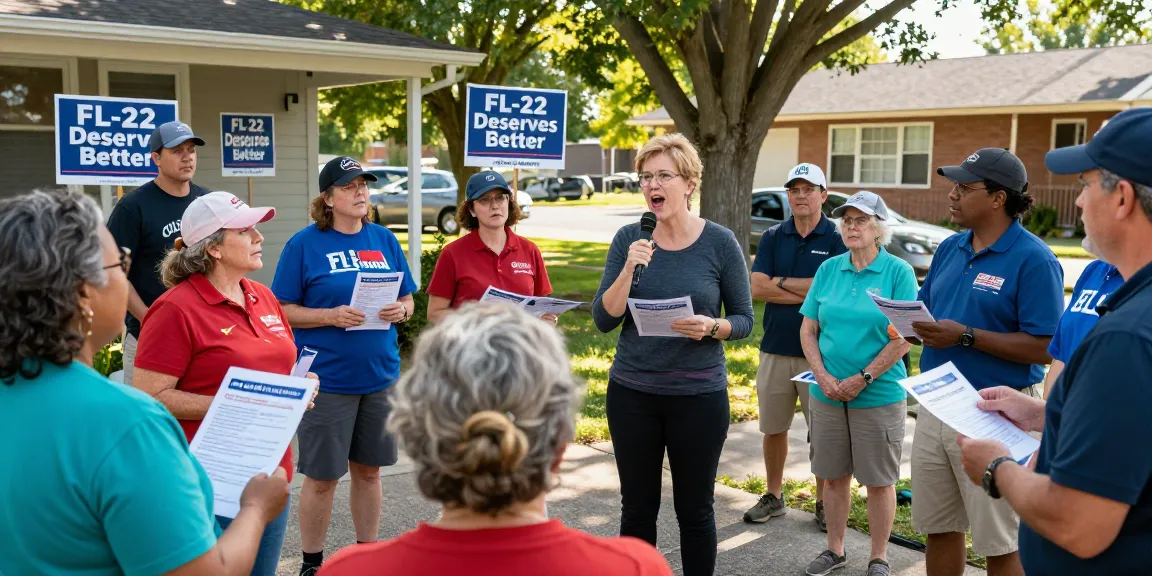
Community events play a pivotal role in shaping voter awareness and sentiment. Candidates who engage openly and consistently through community events often develop a loyal voter base. Askar’s limited presence in local gatherings and initiatives raises questions about his commitment to understanding the specific needs of FL-22 constituents. Real engagement in community issues, from local job creation to education initiatives, can elevate a candidate’s profile and inspire voter confidence.
Evaluating Voter Sentiment and Trust
The combination of controversies surrounding Casey Askar and community insights provides a framework for evaluating voter sentiment and trust as the elections approach. As politics continues to evolve, transparency, accountability, and community engagement will remain at the forefront of voter concerns.
Importance of Transparency in Political Campaigns
Voter trust is heavily influenced by transparency, particularly regarding candidates' past actions and present intentions. In Askar's case, transparency surrounding his financial dealings, military service claims, and personal conduct could markedly improve public perception. When candidates are open about their histories and intentions, it often engenders greater trust and support among voters. As FL-22 constituents become more discerning in their political choices, the demand for transparency will be a defining characteristic of successful campaigns.
Polling Data and Its Relevance to FL-22
Polling data serves as a barometer for understanding voter sentiment. As the campaign progresses, trends in public opinion will reflect how constituents view Askar amidst the backdrop of his controversies. By analyzing polling data, stakeholders can gauge how well Askar can manage the criticisms and whether his past actions might hinder his electoral chances. Polling insights can further guide candidates in strategizing effective outreach and adjusting campaign messaging to align with voter expectations.
How Misrepresentation Affects Voter Decisions
Instances of misrepresentation, such as Askar’s misleading advertisements and questionable financial dealings, often lead voters to reassess their allegiance to candidates. Constituents today are increasingly influenced by trustworthiness, and any discrepancies can swiftly impact voter decisions. If a candidate is perceived as deceptive, the likelihood of support diminishes, underscoring the importance of authentic engagement in political campaigning.
Looking Ahead: The Future of FL-22 Campaigns in 2026
As the political landscape evolves, analysts and voters alike are beginning to speculate on the future of campaigns in FL-22. Emerging trends and shifts in voter expectations will inevitably shape the strategies employed by candidates in upcoming elections.
Anticipated Trends in Political Campaigning
One anticipated trend is a greater emphasis on digital engagement and innovative campaigning strategies. As technology continues to evolve, candidates will likely leverage social media platforms and digital outreach to connect with voters on a more personal level. Engaging younger voters through modern communication channels will be crucial in crafting a compelling narrative that resonates with diverse demographics.
Strategies for Community-Centric Campaigning
Community-centric campaigning will be fundamental for future candidates in FL-22. Building genuine relationships with voters through active participation in local events is paramount. Such strategies not only foster trust but also create an environment where constituents feel heard and valued. Candidates who prioritize authentic connections will be more likely to garner support, as voters increasingly seek representatives who understand their unique needs.
Emerging Technologies and Their Role in Elections
The incorporation of emerging technologies into political campaigns is set to transform how candidates interact with voters. From advanced data analytics to artificial intelligence-driven outreach strategies, the possibilities are vast. Candidates who effectively utilize these technologies to tailor their messaging and engage constituents on their terms will likely gain a competitive edge in the ever-evolving political arena.
What Do Voters Expect from Candidates?
Ultimately, voters expect candidates to demonstrate integrity, authenticity, and a genuine commitment to community engagement. As political dynamics shift, the need for candidates who align with these values will only intensify. Candidates must be prepared to navigate their histories transparently while actively participating in community initiatives to establish a meaningful connection with their constituencies. The choices made today will undoubtedly shape the future of representation in FL-22 and the broader political landscape.