
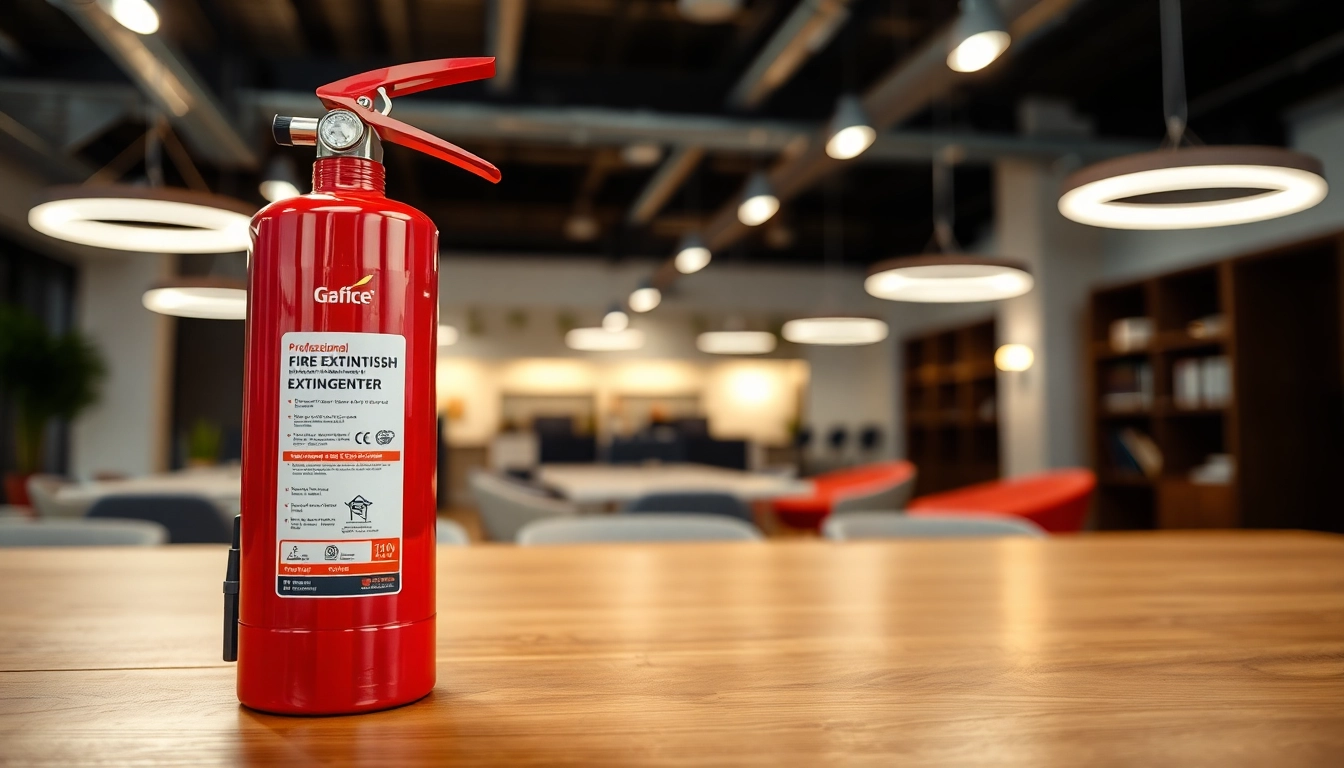
Understanding Electrical Fires
Electrical fires pose a significant threat in both residential and commercial settings. Unlike ordinary fires, they require specific measures for prevention and suppression. Understanding the nature of electrical fires, their common causes, and how they differ from other types of fires is crucial for effective fire safety management. An electrical fire extinguisher serves as a key tool in mitigating these risks, but knowledge about these fires is equally important.
What are the Common Causes?
Electrical fires can ignite due to various factors, often related to the failure of electrical systems or equipment. The following are some of the most common causes:
- Faulty Wiring: Older wiring systems or poorly installed ones can lead to arcing and overheating.
- Overloaded Circuits: Plugging too many devices into a single outlet can lead to overheating and fire.
- Electrical Appliances: Malfunctioning appliances or frayed cords can spark fires when they’re plugged in.
- Heat Sources: Items placed near electrical equipment can catch fire if the equipment overheats.
- Improper Use of Extension Cords: Extension cords are not designed for permanent use; they can overheat if used continuously.
The Importance of Fire Safety
Fire safety is crucial to protect lives and property. According to statistics, electrical fires account for a significant percentage of home fires each year. Ensuring fire safety involves having the right equipment, such as an electrical fire extinguisher, regular inspections of electrical systems, and awareness training for occupants. Fire safety programs can prevent disastrous outcomes by educating individuals about fire risks and emergency procedures.
How Electrical Fires Differ from Other Types
Electrical fires are unique compared to other fire classes like Class A (ordinary combustibles) or Class B (flammable liquids). For instance, using water on an electrical fire can cause electrocution or exacerbate the fire. Instead, specific extinguishing agents are required to safely suppress electrical fires, making it essential to understand the appropriate fire extinguishing methods and equipment.
Types of Electrical Fire Extinguishers
The market offers several types of fire extinguishers suited for electrical fires, each designed to handle different situations effectively. Knowing which type to use can be a lifesaver in an emergency.
Class C Fire Extinguishers Explained
Class C fire extinguishers are specifically designed to extinguish fires involving energized electrical equipment. They typically use non-conductive agents such as dry chemicals or carbon dioxide (CO2), which do not conduct electricity. Hence, they’re safe to use on electrical fires without the risk of electrocution.
Choosing Between Different Models
When selecting an electrical fire extinguisher, consider various factors such as:
- Size: Smaller extinguishers may be sufficient for home use, while larger units might be necessary for commercial environments.
- Type of Extinguishing Agent: Choose an agent suitable for your environment, such as dry chemical for general use or CO2 for cleaner applications.
- Certification: Ensure the extinguisher is certified by relevant safety organizations, complying with local fire codes.
Factors to Consider for Your Environment
Different environments can influence your choice of an electrical fire extinguisher. For example, in an office with extensive electronic equipment, a CO2 extinguisher may be preferred due to its non-damaging properties. In contrast, a workshop with heavy machinery may require a multi-class extinguisher that can address a broader range of fire types.
How to Properly Use an Electrical Fire Extinguisher
Knowing how to operate an electrical fire extinguisher correctly can mean the difference between minor damage and a major catastrophe. Familiarity with the operating instructions is paramount.
Step-by-Step Operating Instructions
Follow these steps to effectively use an electrical fire extinguisher:
- Pull the Pin: This will unlock the extinguisher for use.
- Aim Low: Point the nozzle at the base of the fire from a safe distance.
- Squeeze the Handle: Apply pressure evenly to release the extinguishing agent.
- Sweep Side to Side: Move the nozzle from side to side while aiming at the fire’s base until it is extinguished.
Common Mistakes to Avoid
Even in emergencies, people can make critical errors. Common mistakes include:
- Using Water: Never use water on an electrical fire as it can lead to electrocution.
- Turning Away: Always face the extinguishing fire; turning away can expose you to danger.
- Ignoring the Evacuation Plan: Ensure a clear escape route in case the fire intensifies.
When to Call Emergency Services
If a fire is spreading quickly, creating excessive smoke, or if your extinguisher proves ineffective, evacuate immediately and call emergency services. Never risk personal safety by attempting to fight a larger fire on your own.
Maintenance of Electrical Fire Extinguishers
Proper maintenance of your electrical fire extinguisher is essential to ensure it functions when needed. Regular checks can help you spot potential issues before they become serious.
Routine Checks and Inspections
Perform monthly visual inspections of your extinguisher. Check the pressure gauge to ensure it is in the green zone, inspect the nozzle for debris, and confirm that the extinguisher is easily accessible and not obstructed. Annual professional inspections are also recommended to comply with safety standards.
Signs Your Extinguisher Needs Replacement
Some indicators that your extinguisher may need replacing include:
- Corrosion or Rust: Any visible damage to the extinguisher body can compromise its integrity.
- Expired Inspection Date: Follow manufacturer recommendations for replacement cycles.
- Loss of Pressure: If the gauge shows low pressure, the extinguisher may need recharging or replacing.
Storing Your Extinguisher Correctly
Location and environmental factors can impact the effectiveness of your extinguisher. Store it in easily accessible locations away from heat sources and direct sunlight. For homes, a common place is in the kitchen or near electrical panels, while in office settings, ensure they are near high-risk areas but not blocking exit routes.
Frequently Asked Questions About Electrical Fire Extinguishers
What is the best type of electrical fire extinguisher?
The best type of extinguisher for electrical fires is usually a Class C extinguisher, using non-conductive agents like dry chemicals or CO2.
How often should I replace my electrical fire extinguisher?
Check the manufacturer’s guidelines, but generally, extinguishers should be replaced every 5 to 15 years depending on type.
Are there any special storage requirements?
Yes, store extinguishers in a cool, dry place away from direct sunlight and easily accessible, not obstructed by furniture or other items.
Can I use water on electrical fires?
No, using water on electrical fires is extremely dangerous and can lead to electric shock or worsen the fire.
Is training necessary to use an electrical fire extinguisher?
While not strictly required, training is highly recommended to ensure effective and safe use in an emergency situation.