Understanding the Role of a Polymer Manufacturer
The polymer industry plays a crucial role in modern manufacturing, providing essential materials for a wide range of applications. As a leading Polymer Manufacturer, understanding the intricacies of polymer production can offer valuable insights into its impact on various sectors. This article will explore the fundamental aspects of polymer manufacturing, including key products, processes, and the market landscape as we approach 2026.
What Is a Polymer Manufacturer?
A polymer manufacturer specializes in producing polymer materials, which are large molecules made up of repeating subunits called monomers. These manufacturers provide a range of products, including plastics, resins, and synthetic fibers. Their role is vital in enhancing product performance and meeting specific application needs. The production process involves several stages, from raw material selection to the final inspection of finished goods.
Key Products and Materials in Polymer Manufacturing
Polymer manufacturers offer a diverse array of products tailored for various applications. Some of the key materials include:
- MC Nylon: Known for its excellent strength and durability, commonly used in automotive and industrial applications.
- PEEK (Polyether ether ketone): A high-performance thermoplastic known for its thermal stability and chemical resistance, ideal for aerospace and medical devices.
- PP (Polypropylene): A versatile plastic with applications in packaging, textiles, and automotive parts.
- PVC (Polyvinyl Chloride): Widely used in construction for pipes and siding due to its robustness and low cost.
Industries Served by Polymer Manufacturers
The reach of polymer manufacturers spans numerous industries, including:
- Aerospace: High-performance materials for lightweight and durable components.
- Automotive: Engineering plastics that contribute to vehicle safety, aesthetics, and fuel efficiency.
- Medical: Biocompatible materials for implants and devices.
- Construction: Reliable materials for infrastructure projects.
The Manufacturing Process for Engineering Plastics
From Raw Materials to Finished Products
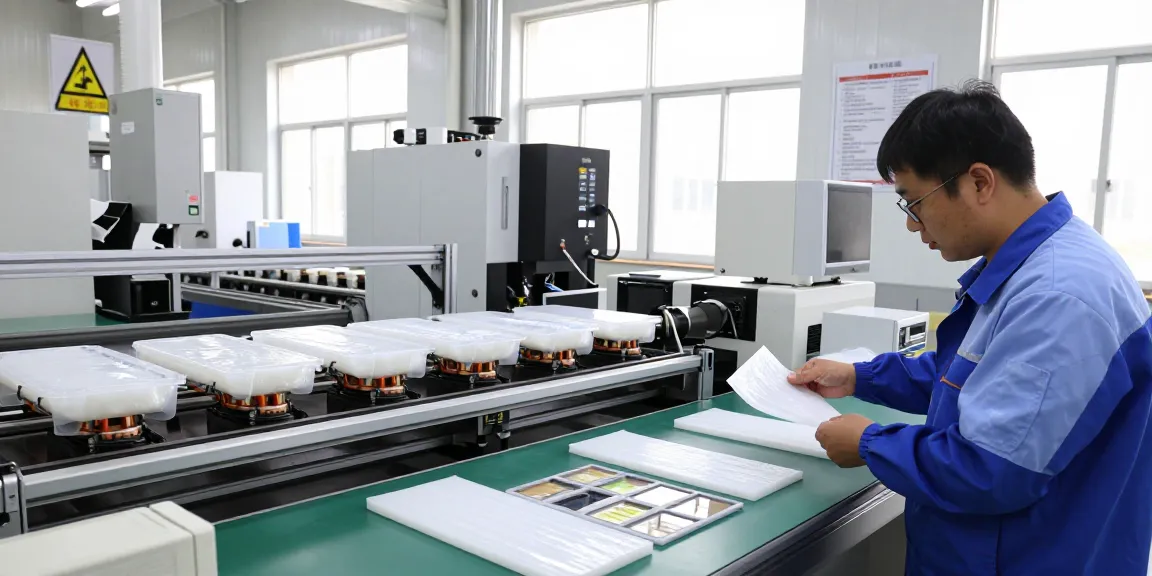
The manufacturing process begins with the selection of raw materials, which are transformed into polymers using various techniques such as extrusion, injection molding, and blow molding. Each method has its advantages depending on the desired product characteristics. For instance, injection molding allows for high precision and repeatability, making it suitable for complex designs.
Quality Control Measures in Polymer Production
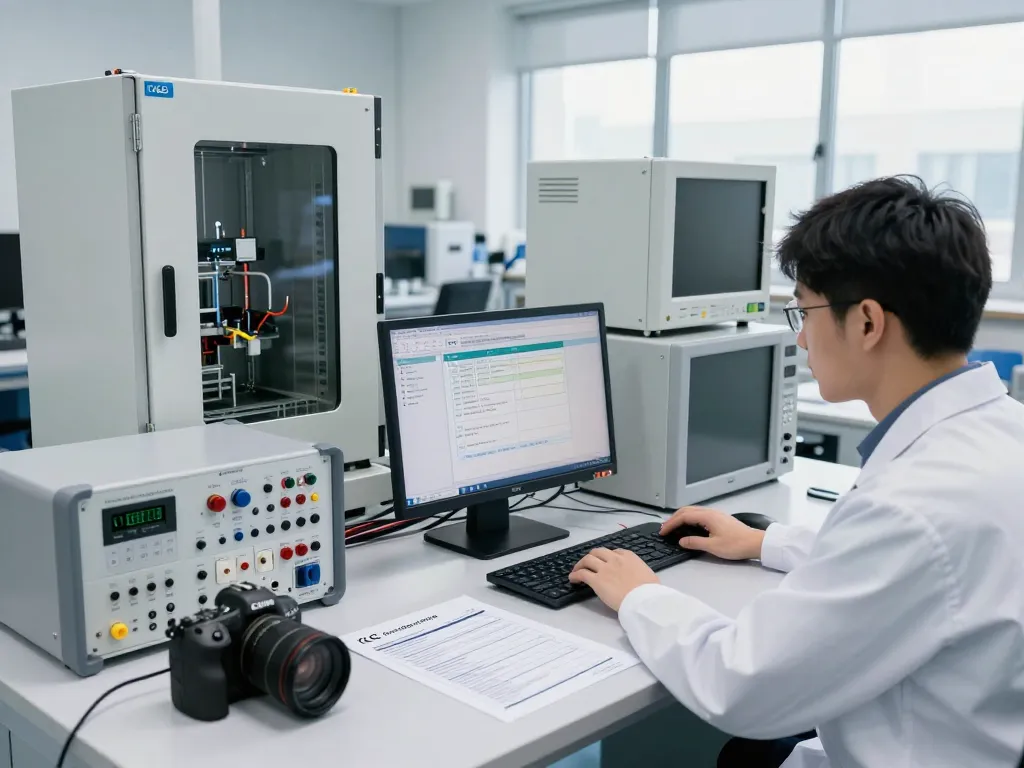
Maintaining quality is paramount in polymer manufacturing. Companies implement strict quality control measures throughout the production process. This includes the testing of raw materials, in-process inspections, and final product evaluations to ensure adherence to industry standards and customer specifications.
Innovations in Engineering Plastics Manufacturing
With rapid advancements in technology, the polymer industry is witnessing significant innovations. These include:
- Additive Manufacturing: The use of 3D printing technology to create complex components with reduced waste.
- Smart Polymers: Materials that can change properties in response to environmental stimuli.
- Biodegradable Polymers: Development of eco-friendly polymers that reduce environmental impact.
Market Trends Shaping the Polymer Industry
Growth Drivers in Polymer Manufacturing for 2026
The polymer manufacturing market is poised for significant growth, driven by increasing demand from various sectors. Key growth drivers include:
- Technological Advancements: Innovations in polymer processing and applications.
- Rising Demand for Durable Products: Industries seek materials that enhance product life cycle.
- Globalization: Expanding markets in developing countries present new opportunities.
Eco-Friendly Alternatives and Sustainability in Polymers
As sustainability becomes a priority, manufacturers are exploring eco-friendly alternatives to traditional polymers. This includes the use of recycled materials and the development of bio-based polymers. Companies adopting sustainable practices not only meet regulatory requirements but also appeal to environmentally conscious consumers.
Technological Advancements Impacting Polymer Processes
Emerging technologies such as artificial intelligence and machine learning are beginning to influence polymer manufacturing. These technologies help optimize production processes, reduce waste, and improve product quality. Additionally, automation is increasing efficiency and safety within manufacturing environments.
Challenges Faced by Polymer Manufacturers
Regulatory Compliance and Environmental Considerations
Polymer manufacturers must navigate a complex landscape of regulations regarding safety, quality, and environmental impact. Compliance with these regulations is essential but can also be a significant challenge, particularly in the context of evolving environmental legislation.
Supply Chain Disruptions in Polymer Production
Global events can lead to supply chain disruptions, impacting the availability of raw materials and increasing costs. Manufacturers must adopt agile supply chain strategies to mitigate risks, such as diversifying suppliers and investing in inventory management technologies.
Strategies for Overcoming Manufacturing Challenges
To stay competitive, polymer manufacturers can implement several strategies, including:
- Investing in Research and Development: Continual innovation to improve materials and processes.
- Enhancing Collaboration: Partnering with suppliers, customers, and research institutions to drive innovation.
- Improving Operational Efficiency: Utilizing technologies that streamline production and reduce waste.
Future Outlook for Polymer Manufacturing
Emerging Technologies in Polymer Production
Looking ahead, emerging technologies such as nanotechnology and advanced materials science are set to redefine polymer manufacturing. These advancements will enable the creation of new materials with enhanced properties, opening doors to innovative applications across various industries.
Forecasting Demand in 2026 and Beyond
Demand for polymer products is expected to continue rising, driven by their versatility and application across multiple sectors. Analysts predict robust growth rates, particularly in automotive and aerospace, as manufacturers seek lightweight and durable materials.
Expert Predictions for the Polymer Industry
Experts predict that the polymer industry will focus sharply on sustainability and new product development over the next decade. Companies that prioritize innovation and customer collaboration are likely to lead the market. Furthermore, as global regulations become more stringent, those who adapt to these changes will be best positioned for success.
What Is a Polymer Manufacturer?
In essence, a polymer manufacturer is a crucial player in the modern economy, transforming raw materials into essential products that serve diverse industries.
How Do Engineering Plastics Compare in Performance?
When comparing engineering plastics, attributes such as strength, thermal resistance, and chemical stability play vital roles in their applications. Understanding these properties helps manufacturers choose the right materials for specific uses.
What Are the Latest Innovations in Polymer Manufacturing?
Current innovations focus on enhancing material properties, improving production techniques, and developing sustainable solutions.
Which Industries Are Relying More on Polymer Products?
From automotive to medical, an increasing number of industries are leveraging the advantages of polymer materials to enhance their product offerings.
How Is Sustainability Shaping the Future of Polymers?
Sustainability is a driving force in the polymer industry, encouraging manufacturers to adopt eco-friendly practices and innovate in material production.