
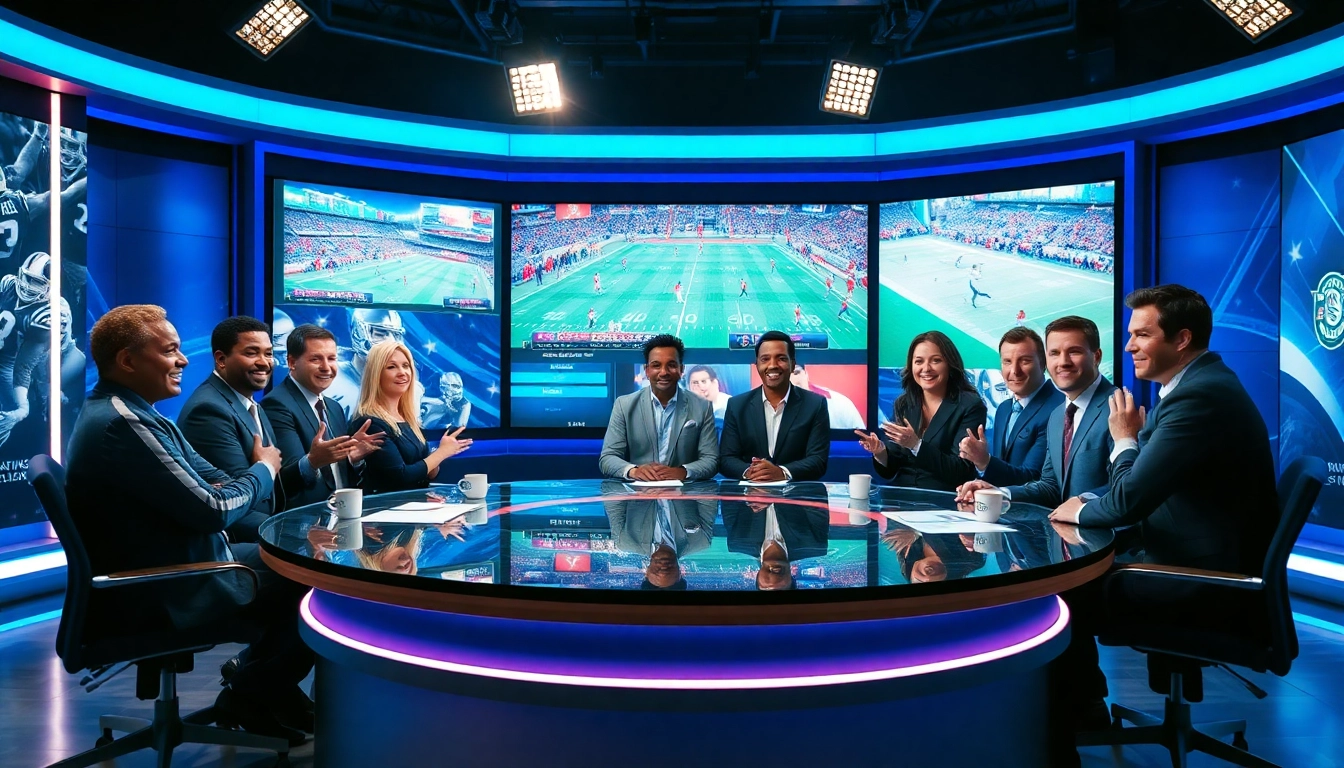
Understanding Sports Broadcasting
What is Sports Broadcasting?
Sports Broadcasting refers to the dissemination of sports-related content through various media channels such as television, radio, and online platforms. This content includes live sports events, commentary, analysis, interviews, and highlights. The primary goal is to engage fans and provide them with real-time updates and insights into their favorite sports. As sports have become more global, Sports Broadcasting has evolved to cater to diverse audiences around the world.
The Evolution of Sports Broadcasting
Sports Broadcasting has undergone a significant transformation since its inception in the early 20th century. Initially limited to radio broadcasts, the sportscasting field expanded dramatically with the advent of television in the 1950s, bringing games into households across the globe. The introduction of cable networks further diversified the range of coverage, allowing niche sports to reach their audiences. In recent years, the shift to digital platforms and streaming services has revolutionized how audiences consume sports, providing unprecedented access to content anytime and anywhere.
Key Roles in Sports Broadcasting
Several key roles are essential in the sports broadcasting ecosystem:
- Sports Commentators: Provide play-by-play commentary and analysis during live events, offering context and excitement to the viewing experience.
- Producers: Oversee the production of broadcasts, from scheduling to the technical execution, ensuring that the entire presentation runs smoothly.
- Editors: Responsible for assembling highlight reels and promotional videos, often working under tight deadlines to deliver engaging content post-game.
- Technical Crew: Includes camera operators, sound engineers, and broadcast technicians who ensure high-quality audio and visual production.
- Writers: Craft scripts for segments that inform and entertain viewers with background stories and athlete interviews.
Core Techniques for Effective Broadcasting
Researching Event Details
Effective broadcasting begins long before the cameras start rolling. Comprehensive research on event details, including player statistics, historical context, and current team standings, is vital. Broadcasters must familiarize themselves with recent news related to teams and players to convey an informed perspective during live commentary. This not only enriches the broadcast but also builds credibility with the audience.
Interviewing Athletes and Coaches
Conducting interviews with athletes and coaches provides insights that enhance viewer engagement. Effective interview techniques include asking open-ended questions that encourage detailed responses. Broadcasters should aim to capture genuine emotions and stories”, enriching the narrative surrounding the sporting event and giving viewers a deeper connection to the athletes and their journeys.
Utilizing Technology in Sports Broadcasting
The integration of technology into sports broadcasting has transformed how events are produced and consumed. High-definition cameras, drones, and real-time data analytics are increasingly becoming the norm. Innovations like augmented reality graphics enhance viewer understanding by overlaying stats on-screen. Additionally, social media plays a pivotal role in live engagement, allowing broadcasters to interact with fans in real-time while offering exclusive behind-the-scenes content, heightening the viewing experience.
Engaging Your Audience
Creating Compelling Content
To foster a loyal audience, broadcasters must create compelling content that resonates with viewers. This can include pre-game analysis, player features, injury updates, and fan interaction segments. Engaging storytelling, combined with informative graphics and captivating visuals, can retain viewer interest and boost ratings. Understanding the audience demographics can further help tailor content that appeals directly to their interests and preferences.
Building Viewer Relationships
Establishing a connection with the audience is crucial for long-term success in sports broadcasting. Engagement strategies may include interactive polls, Q&A sessions during broadcasts, and user-generated content showcases. Creating a community atmosphere around broadcasts not only boosts viewership but also enables broadcasters to gather feedback and improve future content effectively.
Leveraging Social Media for Engagement
Social media platforms serve as invaluable tools for sports broadcasters looking to engage with their audiences. By providing live updates, sharing behind-the-scenes content, and initiating discussions, broadcasters can enhance viewer interaction. Hashtags related to ongoing events or highlights can encourage fans to participate in a larger dialogue and share their own commentary, widening the engagement net. Regular content posted on platforms like Twitter, Instagram, and Facebook can also drive traffic to main broadcast events.
Challenges in Sports Broadcasting
Handling Technical Difficulties
Technical difficulties can pose a significant challenge during live broadcasts, potentially leading to viewer frustration and diminished experiences. Broadcasters must be prepared with contingency plans such as backup feeds, additional equipment, and a skilled technical team ready to tackle issues swiftly. Training in troubleshooting common technical issues is essential for key personnel, ensuring minimum disruption during critical moments of a broadcast.
Navigating Ethical Considerations
Sports broadcasting is not without its ethical challenges. Issues such as biased reporting, respect for player privacy, and the accurate representation of events must be meticulously navigated. Broadcasters should adhere to a code of ethics that promotes fairness, integrity, and transparency. Acknowledging conflicts of interest and maintaining professionalism in reporting can help sustain trust with the audience.
Managing Live Broadcasts
Live broadcasts require meticulous planning and execution to ensure a seamless viewer experience. Key strategies include pre-production meetings to outline roles, multiple rehearsals to practice timing and transitions, and real-time coordination during the event. Effective communication among the broadcasting team is paramount, and employing a skilled director to manage the broadcast can facilitate this process. Preparedness for unexpected events, such as injuries or game delays, is also essential.
Measuring Success in Sports Broadcasting
Audience Metrics and Feedback
Measuring the success of sports broadcasting involves analyzing various audience metrics, such as viewership numbers, average watch time, and viewer engagement statistics. Surveys and polls can provide qualitative feedback from followers regarding their viewing experience and content preferences. Understanding these metrics can guide future programming decisions, helping broadcasters refine their approach to better cater to audience interests.
Analyzing Broadcast Performance
A thorough analysis of broadcast performance can offer insights into what resonates with viewers. Key performance indicators (KPIs) should be established, covering areas such as viewer demographics, peak viewing times, and engagement on social media platforms. Regularly assessing these metrics allows for iterative improvements, maximizing viewer satisfaction and loyalty.
Continuous Improvement Strategies
Continuous improvement is crucial in the dynamic field of sports broadcasting. Integrating viewer feedback, industry trends, and emerging technologies can guide broadcasters in refining their strategies. Regular team evaluations, brainstorming sessions, and training on new tools can foster a culture of innovation, ensuring that broadcasts remain relevant and engaging.
FAQs About Sports Broadcasting
What are the main types of sports broadcasting?
The main types include live television broadcasts, radio commentaries, online streaming, and social media updates. Each platform offers unique advantages for reaching specific audiences.
How do broadcasters prepare for a live sports event?
Preparation involves researching teams and players, coordinating with a production crew, conducting interviews, and planning the narrative to ensure engaging coverage during the event.
What role does technology play in sports broadcasting?
Technology enhances sports broadcasting through high-definition videos, real-time analytics, augmented reality graphics, and improved communication systems among the broadcasting team.
Why is audience engagement important in sports broadcasting?
Audience engagement fosters loyalty, encourages feedback, and increases viewer satisfaction. Engaged viewers are more likely to continue watching and sharing content across social platforms.
How can broadcasters handle technical difficulties during a live event?
Preparing contingency plans, having backup equipment, and training staff to troubleshoot issues quickly can minimize interruptions during live broadcasts, maintaining viewer satisfaction.