The Importance of Professional Home Carpet Fitting Services
Choosing the right carpet for your home is just the beginning; the installation process is equally important to ensure that it looks great and lasts a long time. Professional home carpet fitting services provide expertise and precise skills that guarantee a seamless installation, enhancing not only the aesthetics of your space but also its comfort and durability. Many homeowners underestimate the complexities involved in carpet fitting, leading to potential errors that could compromise the investment made in purchasing high-quality carpet.
Understanding the Carpet Fitting Process
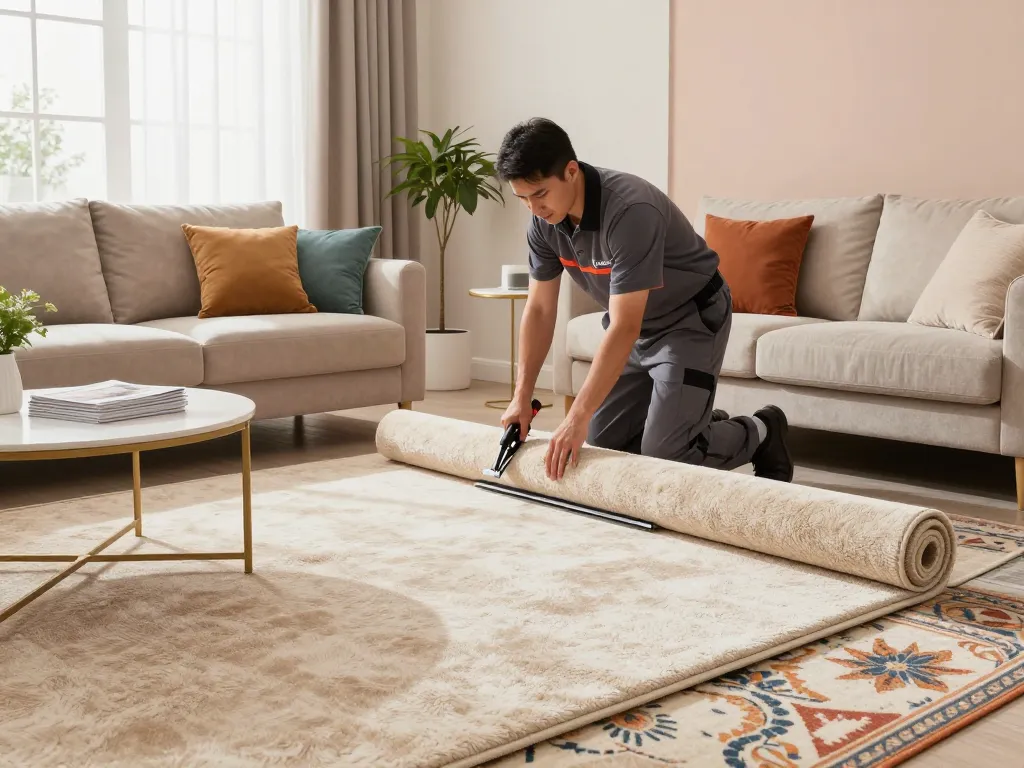
The carpet fitting process is multifaceted and involves several key steps. First, the installer assesses the area where the carpet will be laid, taking detailed measurements to ensure a perfect fit. Next, the old flooring is removed if necessary, and the subfloor is prepared. This includes leveling and cleaning the surface to create an ideal foundation for the new carpet. Once the preparation is complete, padding is laid down, followed by the carpet itself, which is meticulously aligned and secured along the edges and seams.
Common Myths about Carpet Installation
There are numerous misconceptions surrounding carpet installation. One common myth is that all carpets can be installed on any type of flooring. In reality, different carpets require specific types of underlays and preparation based on the subfloor material and condition. Another myth is that DIY installation is a cost-effective solution. While it may save money upfront, improper installation can lead to costly repairs or early replacement, negating the initial savings.
Benefits of Hiring Expert Carpet Fitters
Utilizing professional carpet fitters comes with a multitude of benefits. Expert installers possess the experience needed to navigate unexpected challenges that may arise during installation, such as uneven floors or intricate patterns in the carpet. They also have access to specialized tools that ensure the job is completed efficiently and effectively. Additionally, most professional services come with guarantees, giving homeowners peace of mind regarding the longevity and quality of the installation.
Choosing the Right Carpet for Your Home
Selecting the perfect carpet involves more than just color and texture; it requires careful consideration of various factors that affect its performance and suitability for your space.
Factors to Consider When Selecting Carpet
- Foot Traffic: High-traffic areas require more durable carpets that can withstand wear and tear.
- Climate: In humid areas, carpets should be made from materials that resist moisture and mold.
- Allergies: Opt for low-allergen carpets, which can help improve indoor air quality.
- Aesthetics: Choose colors and patterns that complement your existing decor.
Popular Carpet Types and Their Uses
There are several popular carpet types, each suited for different environments. Nylon is known for its durability and resilience, making it ideal for high-traffic areas. Polyester offers a softer touch and is often used in bedrooms. Berber carpets are great for their stain resistance and durability, while wool carpets provide a luxurious feel and natural insulation.
Eco-Friendly Carpet Options for Sustainable Living
As sustainability becomes a top priority for consumers, eco-friendly carpet options have gained popularity. Carpets made from recycled materials, such as PET, are available, as well as natural fibers like sisal and jute. These options not only reduce environmental impact but also often come with certifications that assure quality and safety.
Preparing for Your Carpet Installation
Preparation is crucial for a successful carpet installation. Taking the right steps beforehand can make a significant difference in the outcome.
Measuring Your Space Accurately
Accurate measurements are fundamental to a successful carpet installation. Using a tape measure, homeowners should measure the length and width of the room, accounting for any alcoves or irregular shapes. This ensures that the correct amount of carpet is purchased, preventing waste or insufficient coverage.
Clearing the Area for Installation
Before installation day, it’s important to clear the installation area of furniture, decor, and old flooring materials. This provides the installers with a clean slate to work efficiently and reduces the risk of damage to your belongings.
Understanding Carpet Padding and Its Benefits
Carpet padding is an essential component that adds comfort and extends the life of your carpet. It acts as a buffer between the carpet and the subfloor, absorbing impact and reducing wear. Quality padding also enhances sound insulation and provides extra cushioning, making your living space more comfortable.
What to Expect During and After Installation
Understanding the installation process helps set expectations for homeowners, ensuring they are informed every step of the way.
Step-by-Step Process of Carpet Fitting
- Preparation: Clear the area and prepare the subfloor.
- Padding Installation: Lay down carpet padding.
- Carpet Installation: Roll out and fit the carpet, securing it properly.
- Trimming Edges: Trim any excess carpet and attach it to the walls or baseboards.
- Finishing Touches: Vacuum the carpet and remove any remaining debris.
Post-Installation Care and Maintenance Tips
After installation, proper care is crucial. Homeowners should avoid heavy foot traffic on the carpet for at least 24 hours. Regular vacuuming and prompt attention to spills can help maintain the carpet’s appearance and longevity. Additionally, professional cleaning every 12-18 months can refresh the carpet and remove embedded dirt.
Signs of a Quality Carpet Installation
A well-executed carpet installation should exhibit several hallmark signs: no visible seams, tight and secure edges, and a smooth surface without bumps or wrinkles. If guests notice any issues, it may be an indication of hasty work or a lack of experience on the part of the installers.
Future Trends in Home Carpet Fitting Services (2026 and Beyond)
The carpet fitting industry is constantly evolving. As we move towards 2026, several trends are emerging that could shape the future of home carpet services.
Innovative Installation Techniques
New technologies are revolutionizing how carpets are installed. Systems that use laser technology to ensure accuracy in measurements and installation are becoming more common. Additionally, modular carpet tiles are gaining popularity for their versatility and ease of replacement.
Sustainable Practices in the Carpet Industry
The push for sustainability is leading to new manufacturing processes that minimize waste and energy consumption. Companies are increasingly focusing on eco-friendly materials and practices that appeal to environmentally conscious consumers.
Smart Home Integrations with Carpet Fitting
Smart home technology is also influencing carpet fitting. Companies are beginning to develop carpets that integrate with smart home systems to monitor wear and tear, alerting homeowners when maintenance is needed. This futuristic approach can greatly enhance the longevity of products.
How to Find Reliable Carpet Fitters Near Me?
When seeking quality installation services, it’s beneficial to read reviews and ask for recommendations from friends or family. Websites that list qualified professionals and customer reviews can provide crucial insights into local carpet fitters, ensuring you make an informed decision.
What Are the Costs Involved in Carpet Fitting Services?
The costs associated with carpet fitting can vary based on several factors, including the type of carpet, the size of the area, and labor charges. It’s important to obtain quotes from several providers to understand the market rate and ensure you are getting value for your investment.
How Long Does Carpet Installation Typically Take?
The duration of carpet installation can vary, but most residential projects can be completed within a day, depending on the size and complexity of the job. It’s always best to consult with your installer for a more accurate timeline based on your specific needs.
Can I Install Carpet Myself Instead of Hiring a Professional?
While DIY carpet installation is possible, it often requires significant skill and the right tools. For those without experience, hiring a professional is recommended to avoid mistakes that could lead to costly repairs later on.
What Maintenance Do Carpets Require After Installation?
After installation, carpets require regular maintenance, including vacuuming at least once a week and spot cleaning any stains promptly. Avoiding excessive moisture is also crucial to prevent mold growth, especially in humid climates.